Geopolitics, Technology, and Democratic Governance
The third article in the European Reckoning series. Following on from:

Introduction
Europe is in great danger, it faces a moment of profound vulnerability (Titian’s ‘Rape of Europa’ seemed apt).
“…while he looked forward to hoped for
Pleasures, he slobbered all over her hands,…
Thus swimming out farther, he carried his prey off
Into the midst of the sea. Almost fainting with terror she glanced back,
As she was carried away, at the shore left behind.”1
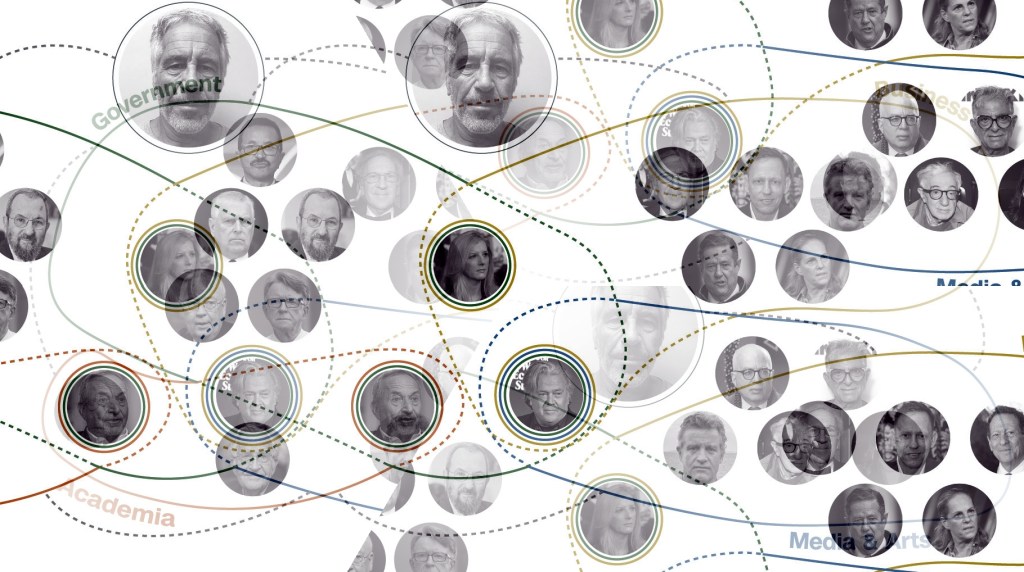
A new geopolitical landscape has emerged, threatening to dismantle the continent’s newly acquired political and economic cohesion and strength – it lies vulnerable and attractive to a sordid collection of aggressive predatory forces (some of whom are literally composed of people with a history of rape of women and children).2
This post explores and consolidates previous articles outlining the confluence of systemic risks and strategic opportunities that demand immediate, decisive action from the European Union (and the UK!).
The new geopolitical landscape is defined by a convergence of hostile illiberal powers, the rapid weaponisation of dual-use technologies like Artificial Intelligence (AI), and a catastrophic erosion of democratic norms in countries across the globe, including the United States & Israel. This convergence presents a profound and existential challenge to European security, law and economic and political stability.
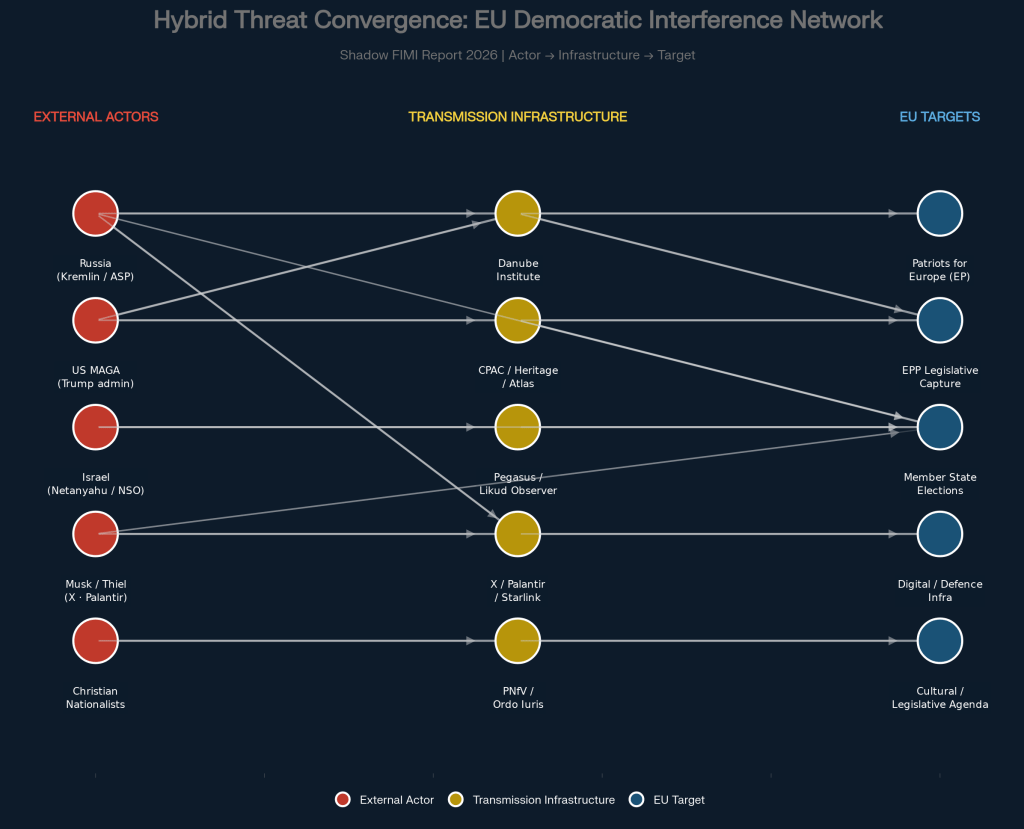
The evidence points to an informal “New Axis” involving Putin, Trump and Netanyahu (and the forces supporting them) which collectively functions to undermine the post-WWII international order and position Europe as a strategic target. This external pressure is amplified internally by the rise of far-right movements across Europe, often supported by these same external actors.
Ukraine is currently the primary European victim, but Europe has already been undermined and seriously damaged by those same forces in many complex ways. These allied forces also supported Brexit and are openly hostile to the EU.
The political path detailed in the Project 2025 blueprint signals a deliberate move to dismantle U.S. democratic checks and balances, rendering core legal agreements like the EU-U.S. Data Privacy Framework instantly obsolete and creating an acute data sovereignty crisis for Europe. U.S. cloud providers, governed by the extraterritorial CLOUD Act, represent a systemic threat to every piece of European data, regardless of its physical location.
This crisis is a wake up call. Europe needs both a strong military autonomy and capability as well as a global ethical leadership role. These are not contradictory drives, indeed one requires the other (as any cursory game theoretic analysis suggests). The stability and rights-based regulatory environment of human rights, the GDPR and the EU AI Act can make Europe a magnet for global tech talent and investment fleeing U.S. volatility. To survive and and not be dominated, Europe must immediately accelerate its pursuit of comprehensive collective sovereignty.
This external pressure is amplified internally by the rise of far-right movements across Europe, which are often supported by these same external actors.
The military industrial base and sovereign dual-use technology crisis in Europe is the most dangerous and damaging. It creates a vassal-lord relationship between Europe and the US which has been used to extraordinary effect to ensure Europe remains weak (and is reliant upon American and Israeli technology, Intel and weaponry). It has fundamentally ensured Europe’s failure to fully support Ukraine as it should in its war with Russia. In addition, there is the terrible human cost of this strategy of facilitation and complicity in respect of the genocide of Palestinians (and the cost to our souls).
This weakness has also ensured that a generation of younger people, and many of the elders too, have lost much of their confidence in the liberal political framework. It has failed to directly and honestly face the issues we are most concerned about: the break down of European cooperation and the failure to realise our combined strength, the rise of authoritarian and far right movements, the environmental crisis and other civilisational level issues impacting Europeans (and the rest of the world).
For too long, liberal politics has increasingly looked like just a friendly face for crony capitalism, naked corruption, increased private control of public goods and of increased wealth & income inequality.
All this is happening whilst the natural world, and it’s beautiful biodiversity, continues to be seriously degraded and damaged in ways that will cause suffering for hundreds of millions (or more) of people and can even be existential for human civilisation. Political polarisation in these conditions is inevitable – “the centre cannot hold”.
It is no coincidence that the march to the far-right in the U.S. has happened during a multi-decade rise in inequality in the U.S. This has enabled even greater capture or co-option of the American political and media landscape (and we have seen the same happening more slowly across Europe): the 20 richest Americans collectively hold about $3 trillion and control nearly 2% of all U.S. household wealth (more than 100,000,000 of the poorest people in America).
Apparently, this system of extreme inequality is not good enough for many of the very wealthy (not all are neo-fascist Trump, GOP and MAGA supporters, just most of them it seems), so they want even more and Trump is their leader (or figurehead). The changes made since Trump came back to power are rapidly accelerating poverty and suffering for hundreds of millions of people in America and around the world.
The U.S. was already at levels of inequality consistent with a slave society, so it is no surprise we have a supremacist, racist US administration and a largely supportive tech and media industry (and they are transnational forces).
The top 1% of the U.S. holds $54.7 trillion compared to $58.2 trillion for the bottom 90%.
That said, this destabilisation of the post-World War II order also presents a critical strategic opportunity for European states and the EU. For example, for the EU, by offering a stable, predictable, and rights-based regulatory environment it can become an ethical magnet for global tech talent and investment fleeing U.S. volatility (capital and brain drain) – the EU is trying to capitalise on this with projects such as “Choose Europe for Science“. America has previously benefited from the brain drain dynamic, when due to persecution, political instability, and suppression of academic and intellectual freedom thousands of scientists fled the Nazi regime (e.g., Albert Einstein, Enrico Fermi, Erwin Schrödinger).
The EU is positioning itself to be the primary beneficiary of U.S. instability and political extremism giving it the opportunity to be the next global leader in values-driven innovation.To capitalise on this, European states must accelerate the pursuit of comprehensive strategic, digital and industrial sovereignty. This sovereignty can only be achieved by enhanced coordination and a higher degree of centralisation of power in key areas, including in respect of technology investment, development and deployment, our military industrial base, intelligence activities and foreign policy. The great difficulty for Europe, will be to find ways to achieve this ability to coordinate and translate power and foster Europeaness whilst respecting the need for local identities and decision making in areas that do not need to be unified or consolidated. We must also be acutely conscious of the risk of becoming a European version of the American perpetual war machine.
“We are not making a coalition of states, but uniting people”3
We must also remember that man and woman cannot live on bread alone – inequitable and dangerous levels of inequality are not the only driver of the issues we face. We need to forge a stronger European identity that avoids racist and nativist stereotypes. We need something to believe in together. We need to have faith that we can leave this world a better place for the next generations and for all of life’s wondrous forms.
[Note: I have made the various AI Notebooks I use to collate, and query, valuable sources publicly available. See Footnotes below for the various links].
Table Of Contents
- Introduction
- What is European Technology Sovereignty?
- The USA is At Very Least An Unreliable Ally!
- The Shifting Geopolitical Landscape: An Emerging Illiberal Axis
- Europe Must Repent, Reform, and Refocus
- The European Far-Right and External Influence
- Ukraine’s Agony And Europe’s Wake Up Call
- The European Military Deficit and the American Stranglehold
- The Climate Crisis: A Multiplying Threat To Sovereignty And Stability
- The Geopolitical AI Arms Race
- AI as a Tool for Democratic Resistance
- The Erosion of U.S. Rule of Law and its Transatlantic Implications
- The Fight for Digital Sovereignty
- A Strategic Opportunity for Europe: The Ethical Brain Drain and R&I Leadership
- Europe’s Strategic Fightback
- Leaders Must Lead
- Footnotes
What is European Technology Sovereignty?
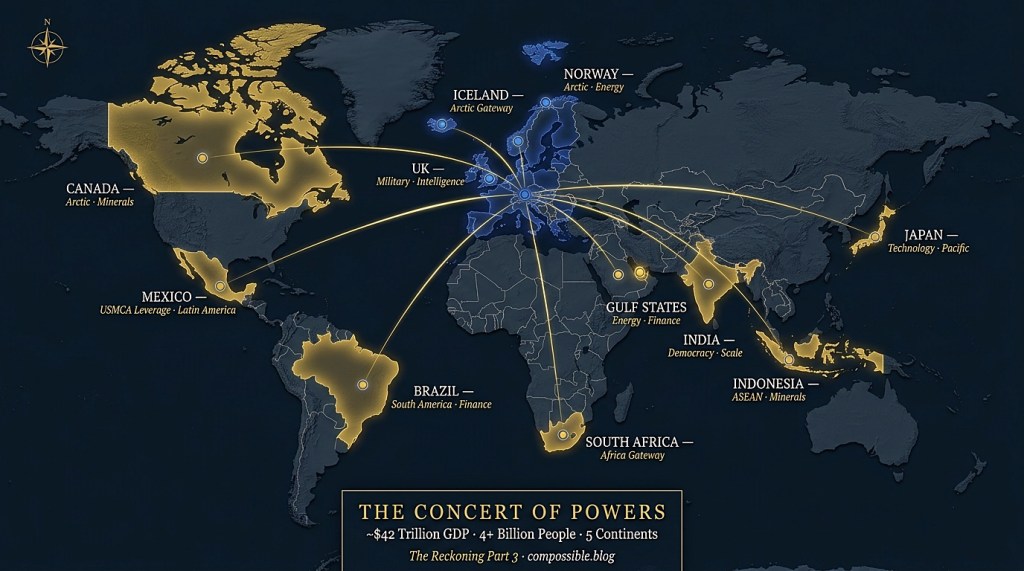
The strategic capacity for the European Union, the UK, Ukraine, Switzerland, Iceland, Norway and other states to coordinate to independently control essential technology infrastructure, data, and our digital future, free from the undue influence, legal extraterritoriality, or political coercion of non-European powers. It is the ability to choose its partners, protect its citizens’ rights (e.g., via GDPR and the EU AI Act), and ensure its defence and economic stability are not beholden to foreign political or corporate whims. This is not isolation, but the necessary foundation for strategic independence in green energy, key dual-use technologies like AI, cloud computing, and defence hardware. It can incorporate alliances with friendly nations around the world including Canada, Australia and New Zealand (as well as Mexico and other countries that face similar pressures and American or Russian rapacity).
The USA is At Very Least An Unreliable Ally!
The unreliability of the U.S. as a security partner and it’s involvement in active efforts to destabilise the continent have created an urgent mandate for European strategic autonomy.
Decades of over-reliance on U.S. military hardware, intel and a wide range of technologies have left the EU in a very vulnerable position.
Between the start of Russia’s 2022 invasion and June 2023, 78% of EU member state defence acquisitions were from outside the EU, with the U.S. accounting for approximately 64% of that total. This dependency is a Trojan Horse making Europe susceptible to even more shakedowns and technological backdoors that render us largely defenceless. In response, work is intensifying on the comprehensive European Defence Industrial Strategy published in 2024 and there are even calls for the creation of integrated European armed forces.
The objective is to build an independent security architecture that is not beholden to the political whims of foreign powers, ensuring that Europe can defend its own interests and territorial integrity and act with dignity in accordance with international law. It would allow European countries to combine and coordinate to project strength and confidence in a multi-polar world, where it should be an equal to China and America and treat them both as they deserve, with our interests taking precedence (in competitive terms), whilst respecting the valid interests and rights of all people in the world.
The Shifting Geopolitical Landscape: An Emerging Illiberal Axis
The “New Axis Powers”: A Russia-U.S.-Israel Alliance?
A significant geopolitical realignment has been underway for over a decade, defined by the emergence of an informal but potent alliance between the current leaders of Russia, the United States, and Israel.
This new axis is characterised by shared authoritarianism, a transactional approach to human life, a foreign policy of violence, and a collective disregard for international law and human rights. In these countries, remember, there is building resistance to these leaders and corrupt criminal administrations – we must never mistake the current leaders of a country for all of its people or translate opposition to our adversaries to hatred or loathing of any peoples or whole countries.
The Trump administration’s posture has signalled a fundamental shift in transatlantic security dynamics, with the U.S. Secretary of Defence stating in February 2025 that “stark strategic realities prevent the United States from being the primary guarantor of security in Europe.” This sentiment is echoed in the aggressive rhetoric of U.S. and Russian officials, who view the international system as a transactional space where powerful nations take what they want from weaker ones, relying on threats of brute force. A quote attributed to Dmitry Medvedev encapsulates this worldview:
“The phone call between Presidents Putin and Trump proved a well-known idea — there is only Russia and America in the dining room. On the menu: light appetizers — Brussels sprouts, British fish and chips and Paris rooster. The main course is a Kiev-style cutlet. Enjoy your meal!!“
In this dynamic, Europe is explicitly framed as being “on the menu,” vulnerable to being carved up by carnivorous powers (cannibals). The U.S. administration’s policy toward Ukraine—blaming the victim and demanding reparations for military aid—further exemplifies this treacherous new reality, leaving European allies to finally question the reliability of U.S. security commitments.
This focus on the U.S.-Russia-Israel dynamic exists alongside another deepening more formal strategic alignment between China, Russia, Iran, and North Korea. This broader alignment is driven by a shared opposition to the U.S. global order, and their cooperation (particularly accelerated by Russia’s invasion of Ukraine) is increasing their economic, military, and technological capabilities. European politicians understandably focus on this group but unfathomably often continue to ignore or are silent on the greater threat from the current leaders of our erstwhile allies. Europeans that have been financed by Putin and the many transatlanticists that dominate German and European politics have a lot to answer for.
Europe Must Repent, Reform, and Refocus
Europe has been in a “deep geopolitical sleep,” marked by a hibernatory instinct of extraordinary complacency and over-reliance on the US for security, intelligence and geopolitical positioning. To survive the new reality, Europe must:
- Forge a true European identity based on shared values across countries that include compassion and inclusive diverse identities. It must move beyond the current focus on law and finance to counter rising extreme nationalism.
- Repent, reform, and refocus by admitting our appalling mistakes and complacency, being honest about the people and organisations that are undermining our communities and democracies and by preparing for continued military, economic and political attacks on the European community and project.
- Address internal threats like Hungary’s treachery and the influence of corrupt undisclosed local agents (including business people, politicians and political parties) working unlawfully (or without disclosure) with foreign governments and anti-democratic organisations.
- End European hypocrisy and complicity on fundamental breaches of international laws including human rights, specifically, for example, inaction and complicity for the genocide of the Palestinians.
- Decouple from US geopolitical strategy and military dependence & realign its stance in respect of countries like China: acknowledging that the decades-long strategy of “appeasing America at all costs” has been an extraordinary strategic failure (that was obvious even before Trump’s first administration nearly 10 years ago). This will necessarily take time but the pivot must happen.
- Build a sovereign military and dual use technology base.
The current crisis can be the necessary impetus for Europe to wake up, act decisively, and fundamentally restructure its political and economic systems to defend its territorial integrity, culture and citizens.
China knows more than anyone else what happens when you lack geopolitical strategic thinking. In the 19th and early 20th centuries, China was subjected to quasi-colonial domination particularly by Britain, France, Germany, the USA and Japan.
The European Far-Right and External Influence
The rise of hard-right and far-right parties across Europe is not an isolated domestic phenomenon. It is actively fostered and supported by external actors who seek to undermine the European Union and its democratic values.
- Key Nodes and Networks: Hungary, under Viktor Orbán, serves as a crucial “node” in this network, bridging U.S.-Israeli influence with Russian support and offering a model of successful right-wing governance for other movements to emulate.
- External Support Mechanisms: Russia, Israel, and illiberal networks within the U.S. provide critical support to European far-right groups through several channels:
- Financial Support: Russia has provided covert funding and loans to parties such as France’s National Rally and Germany’s AfD.
- Ideological Alignment: The Israeli government under Likud has actively cultivated relationships with European far-right parties (e.g., Vlaams Belang, Freedom Party of Austria), overlooking historical antisemitism in exchange for a shared anti-Islam, anti-EU, and pro-settlement stance. The first major public sign of this alliance was an international far-right conference organised by a Likud party member in Tel Aviv in 2010.
- U.S. Conservative Networks: Organisations like The Heritage Foundation, the driving force behind Project 2025, are building alliances with European right-wing actors to promote deregulation and illiberalism. Project 2025’s funding comes from a network of billionaire families including Bradley, Coors, Koch, Scaife, Seid, and Uihlein.
- Technological Interference: U.S. tech billionaires, most notably Elon Musk, are involved in direct interference in European democracy by using platforms like X to amplify disinformation, attack political leaders, and promote far-right narratives and movements.
- Domestic Networks: For example, in the UK, these foreign powers and organisations are represented/funded and influential within a relatively narrow network that includes 55 Tufton St/Policy Exchange/Paul Marshall (GB News etc)/Michael Gove & Nigel Farage (Reform Party). Similar local networks exist in each European country.
Ukraine’s Agony And Europe’s Wake Up Call
The brutal, unprovoked invasion of Ukraine by Russia is not an abstract geopolitical conflict; it is the visceral manifestation of the ‘Rape of Europa’ metaphor unfolding in real-time. An act of violation and assault on a sovereign nation that directly challenges the foundations of European security, identity, and moral integrity. The lessons for Europe are written in the suffering of our Ukrainian allies.
- The Human Catastrophe: A Nation Torn Asunder: The invasion has unleashed suffering unseen in Europe since World War II. Millions of Ukrainians have been forcibly displaced, their homes reduced to rubble, their lives irrevocably altered. This is the deliberate terrorization of a people, aimed at breaking their will and forcing their submission. Cities like Mariupol, Bakhmut, and Avdiivka have been annihilated, systematically erased by an aggressor intent on the cultural obliteration of Ukrainians.
- Estimates for civilian casualties are based primarily on figures from the UN Human Rights Monitoring Mission in Ukraine (HRMMU) and confirmed numbers are a significant underestimate, particularly in areas held by Russia where access is restricted.
- As of September 30, 2025, the UN has officially confirmed at least 14,383 civilians killed and 37,541 injured in Ukraine since February 2022.
- Civilian deaths increased in 2025: The UN reported a steady rise in civilian casualties during the first half of 2025, with July 2025 seeing the highest monthly figures in three years due to Russia’s increased use of aerial bombs.
- Civilian deaths in Russian-held territories are largely uncounted: The UN has been unable to verify the full scale of casualties in cities like Mariupol. Estimates for civilian deaths in Mariupol alone range from 8,000 to over 21,000.
- Estimates for military casualties: The UK and the US-based Center for Strategic and International Studies (CSIS), estimated in June 2025 that Ukraine’s total military casualties since 2022 were approximately 400,000, including 60,000–100,000 killed and estimate Russia’s total military casualties (killed and wounded) have surpassed one million since February 2022.
- Weaponised Atrocity and the Destruction of International Law: We have seen systematic targeting of civilian infrastructure and documented war crimes in Bucha, Irpin and Izium (where investigators have uncovered mass graves, evidence of summary executions of civilians, widespread torture, sexual violence against women and children, and the indiscriminate shelling of residential areas). The forcible deportation of Ukrainian children, is a particularly grotesque attempt at cultural genocide which underscores Russia’s contempt for human rights. It demands an unequivocal European response, not just in military aid, but in an absolute commitment to justice and accountability.
- Economic Devastation and Europe’s Burden: The economic cost of this war is extraordinary, and much of it is shared across the whole of Europe. Beyond the direct financial and military aid, Europe has absorbed millions of Ukrainian refugees. The destruction of Ukraine’s vast agricultural lands, its industrial base, and its energy infrastructure represents a blow to the entire European economy. The war has exposed and amplified Europe’s energy dependencies, its supply chain vulnerabilities, and the urgent need for a robust, indigenous defence industrial base capable of sustaining itself through prolonged conflict.
- A Clarion Call for Sovereignty and Action: Ukrainian agony is Europe’s urgent wake-up call. The war shatters any remaining illusions about “peace dividends” or reliance on unreliable allies for collective security. It demonstrates, that the failure to invest in genuine European military, technological, and industrial sovereignty is a direct invitation to aggression. The choice is stark: either Europe unites and re-arms itself with the capacity to defend its values and its borders, or it is on the menu, and will watch helplessly as its periphery is devoured and it is hollowed out from within (the parallels with 19th century China are instructive). Ukraine fights for its freedom, but in doing so, it fights for the whole of Europe. Europe should act accordingly.
- Russian explanations for this aggression, which is soft pedalled by many in Europe, do not hold up to sustained scrutiny. It has shown little interest in resolving any concerns it might have about NATO enlargement peacefully. It has become emboldened since Trump entered the U.S. administration and seeks a settlement that is on Russian and American terms.
The European Military Deficit and the American Stranglehold
Whilst the EU has finally begun to wake up—with total defence spending hitting an unprecedented €343 billion (1.9% of GDP) in 2024 and forecast to reach €381 billion in 2025— crucial less obvious dependency mechanisms remain intact:
- The ITAR Veto: The International Traffic in Arms Regulations (ITAR) grants the U.S. a functional veto over the deployment and export of American (some Israeli) and any European equipment containing U.S.-origin components (including, for example, European Saab JAS39 Gripen jets).
- Technological Hostage: Flagship European platforms like the F-35 are functionally reliant on U.S.-controlled cloud systems (ALIS/ODIN) for continuous software updates and mission data. A U.S. decision to halt these updates would rapidly render the fleet tactically ineffective and vulnerable.
- The Procurement Scandal: The urgency of the Ukraine war exposed this failure, leading European nations to rush procurement from America particularly thereby actively strengthening their industrial base and deepening our dependency and strengthening the bondage. In the last 12 months alone, European countries have spent approximately $50-70bn on American weaponry and military technology and approx. $8bn on Israeli. Every dollar supports these extremist genocidal regimes and strengthens their stranglehold on us.
From 2022-2023, approximately 78% of defence procurement spending by EU members went to non-EU suppliers, with the United States accounting for about 63% of that share.
The Intelligence Blindness
C4ISR (Command, Control, Communications, Computers, Intelligence, Surveillance, and Reconnaissance) is where Europe is weakest.
Europe’s critical lack of C4ISR capabilities ensures that any independent military action would be conducted in relative blindness. With only 10 military satellites compared to the U.S. inventory of 185, the intelligence gap of 18.5:1 is one of the many de facto “intelligence vetos” wielded by the U.S.. This weakness was starkly displayed when Elon Musk refused to support Ukrainian requests for satellite internet cover in the Crimea from Starlink during the early stages of the Russian invasion. Musk now controls around 2/3rds of all active satellites.
Europe’s collective C4ISR is currently structured as a hybrid of individual national assets and Alliance-owned systems, yet this approach often results in a fragmented architecture rather than a unified, effective command system, exacerbating the transatlantic capability divide. The core challenge regarding European sovereign deficiency in C4ISR is rooted in decades of underinvestment and dependence on the United States for critical military enablers. This long-standing reliance has left European forces operationally subordinate, as the U.S. provides the high-end capabilities necessary for sustained, large-scale conventional combat.
Europe also suffers from a strategic shortage of critical airborne platforms, such as “big wing” Signals Intelligence (SIGINT) aircraft, possessing only three dedicated platforms compared to the U.S. Air Force’s 17 aircraft of the same type.
Furthermore, in the digital and cyber domain, European forces rely heavily on major U.S. commercial vendors for hyperscale cloud computing capacity. This absence of sovereign European hyperscale cloud capacity is unlikely to change very soon, and this dependence mechanism provides the U.S. with another effective veto over European operations e.g. by restricting software updates or data access.
The intelligence veto means that if European and U.S. interests diverge during a major crisis, European commanders would likely lack the timely, reliable intelligence necessary to justify and execute high-risk operations independently, forcing immediate strategic de-escalation or alignment with Washington’s policy.
This long-standing dependency on the U.S. is not organic or a function of some natural law. The U.S. and leaders of NATO appointed by the U.S. have taken great pains to obstruct attempts to achieve European military autonomy and independence. The U.S. labelled the EU’s Permanent Structured Cooperation (PESCO) and the European Defence Fund (EDF) as “poison pills” for the transatlantic relationship. U.S. opposition also blocked the creation of a permanent EU military command structure and it has issued strong warnings against Franco-German plans, such as the creation of a joint military corps in the early 1990s. We continue to see this mechanism in play at NATO with Europeans, like Mark Rutte, leading the calls for Europe to buy even more U.S. weaponry.
Purchasing U.S. weapons systems (like the F-35, MLRS, and Patriot) deepens European dependency on the U.S. defence industrial base for long-term maintenance, spares, and munitions and provides the American administration with significant bargaining leverage in other policy areas, such as trade, making Europe susceptible to economic pressure. European leaders, aware of the geopolitical risks, have hoped that large-scale purchases of U.S. weapons would ensure continued U.S. commitment and potentially lead to a more favourable trade relationship i.e. we have been buying the Americans off whilst deepening our dependence. It takes a mafia administration like Trumps to take full advantage of this European idiocy.
The risk of European intelligence being leaked to Russia by the U.S. or being misused for human rights and international law offences or relying on misinformation of America and Israel is also now very acute. So much so, that some European agencies are beginning to limit their disclosures. Centralised European intelligence agencies are also needed more than ever.
The collective result of these deficits is a serious geopolitical vulnerability that undermines Europe’s ability to act independently and exposed its security foundation to political volatility. Many European leaders, facing the prospect of being unable to rely on the USA, have finally recognised that only a massive, decade-long commitment focused on achieving genuine strategic autonomy will suffice (see Europe’s Strategic Fightback below). That said there is still an extraordinary amount of complacency and reliance on US-Israeli weaponry. Germany particularly has actually increased its strategic dependency during the genocide in Gaza, and Poland has also been a major purchaser of U.S. weaponry.4
It is estimated that Europe needs an expansion of capabilities equivalent to roughly 300,000 troops and an sustained annual defence spending hike of at least €250 billion to ensure it has military autonomy, but this investment needs to be based on a wide-ranging strategy to fix our pure military and our dual use technology sovereign deficiencies.
The situation in Ukraine also provides European states with an extraordinary opportunity to improve their military capabilities, technologies, training of soldiers and coordinated deployment in a real conflict situation – whilst protecting Ukraine and Europe from further predation.
While European forces cannot fully replace the US security guarantee overnight, a live deployment provides the essential political and operational leverage to drive decoupling initiatives:
- Forcing Investment Decisions: The tangible risk and operational demands would provide the political justification needed to sustain massive coordinated defence spending. The demand for equipment (such as more air defence systems, EW capabilities, and long-range missiles) and the C4ISR blindspots would be immediately realised and quantifiable, accelerating joint procurement and the buildup of a sovereign European defence-industrial base.
- Building Operational Autonomy: Taking on critical roles—like running air defence batteries, providing logistical backfill, or advanced technical maintenance—allows Europe to establish operational autonomy in key domains. This hands-on responsibility, distinct from NATO’s US-led structure, would create the independent habits necessary for Europe to plan and execute complex missions without American authorisation or participation.
- Shifting Political Burden: By placing European “boots on the ground,” European leaders would demonstrate their willingness to share the risk and burden of European security. This directly addresses US calls for greater burden-sharing, but on European terms, strengthening the political argument for an independent coordinated European security pillar. This is not about total isolation but achieving strategic freedom of action.
The only question on these issues are whether our leader’s responses will further enslave us to America or break the chains as quickly as possible. That’s it. Nada mas.
The Climate Crisis: A Multiplying Threat To Sovereignty And Stability
The escalating climate crisis is not merely an environmental challenge; it is a cataclysmic geopolitical disruptor, a threat multiplier that directly undermines Europe’s economy, internal stability, and external security. Climate inaction and dependence on unreliable partners for green transition technologies represents an extreme risk.
- Economic Devastation and Supply Chain Vulnerability: Extreme weather events—from unprecedented droughts and wildfires in Southern Europe to devastating floods in the North—are inflicting colossal economic damage. These events destroy infrastructure, decimate agricultural yields, and cripple critical supply chains, costing billions annually and diverting resources from strategic investments. Reliance on non-EU powers for essential green technologies (like rare earth elements or advanced battery components) creates new dependencies, exchanging fossil fuel vulnerability for green energy vassalage. This directly threatens Europe’s industrial capacity and its ability to compete in the future economy.
- Justice and Social Fragmentation: Climate impacts disproportionately affect the most vulnerable populations, exacerbating existing inequalities and fuelling social unrest. Resource scarcity, particularly water and arable land, can spark internal conflicts and deepen socio-economic divides, making communities susceptible to extremist narratives. The forced migration induced by climate change, both from within and beyond Europe’s borders, will test the very fabric of European solidarity and internal security.
- Geopolitical Instability and Security Threats: Desperate populations fleeing climate-induced catastrophes will intensify migratory pressures, while resource wars and regional conflicts in fragile states create new security challenges for the EU. Europe must manage not only traditional military threats but also a rapidly expanding spectrum of climate-induced security risks, including food shortages, water scarcity, and mass displacement.
- The Energy Sovereignty Imperative: The weaponisation of energy underscores the dire need for accelerated, indigenous green energy solutions. Dependence on external sources, whether for fossil fuels, nuclear energy or critical green tech, remains a strategic vulnerability. Europe’s transition to renewable energy and increased nuclear energy must be driven by sovereign capacity, not by reliance on external supply chains that can be disrupted or dictated by rival powers. This is not just about protecting the biosphere, it is necessary to secure Europe’s future energy and security independence.
Europe’s commitment to a sovereign, sustainable future—epitomised by initiatives like the European Green Deal—must also be understood as a national security imperative. We are in a fight to protect our community, our citizens and to build strategic independence from a multifaceted crisis and from powers that operate across borders. It is also essential for Europe to coordinate, where possible, with China and any other countries that are showing a willingness to take these climate issues seriously.
The Geopolitical AI Arms Race
AI is rapidly transforming global power dynamics, acting as both a formidable tool for authoritarian control and a potential enabler of democratic resistance. Its development has spurred a geopolitical arms race, with profound implications for warfare, governance, and human rights.The AI arms race primarily involves the United States, China, and Israel, with Russia as another significant but smaller player. AI is being integrated into all domains of warfare:
- Intelligence, Surveillance, and Reconnaissance (ISR): AI-powered systems analyse vast datasets from drones and satellites to identify patterns, predict enemy behaviour, and enhance situational awareness.
- Autonomous and Semi-Autonomous Weapons: AI is integrated into UAVs (drones), unmanned ground vehicles, and naval systems. Coordinated autonomous drone swarms, capable of operating with minimal human input, represent the future of conflict.
- Targeting and Fire Control: AI systems like Israel’s “Lavender” and “The Gospel” are used for target identification, raising profound ethical questions about civilian casualties and the erosion of human control.
- Cognitive Warfare: AI is used to generate and disseminate disinformation at scale, shaping the information environment and undermining democratic processes, as seen with deepfake videos in the Russia-Ukraine war.
In addition, authoritarian regimes are systematically using AI to solidify their power and extend their repressive capabilities beyond their borders.
- China: Deploys a pervasive AI-driven surveillance apparatus, particularly in the Xinjiang region to control the Uighur population, and uses its Social Credit System to shape citizen behaviour through rewards and punishments.
- Russia: Utilises the “Oculus Project” to automatically detect and suppress online content critical of the government, and employs extensive facial recognition in cities like Moscow to monitor dissent.
- Israel: Uses AI to systematically maintain an apartheid regime and to oppress and commit mass murder (including genocide) of Palestinians.
- Iran: Is developing its National Information Network (NIN) to create a state-controlled internet, using AI to monitor and censor the population and suppress movements, including women’s rights activists.
- USA – Techno-Plutocratic Vision: A techno-authoritarian ideology is emerging in the U.S., linking influential Silicon Valley figures like Peter Thiel, Larry Ellison and Elon Musk (and the wider web of reactionaries of the new dark enlightenment). This worldview posits that democracy is inefficient and should be replaced by a centralised, CEO-like rule by the very few with empathy for the majority abandoned. A world where the weak are cannibalised by the stronger. This aligns with the goals of Project 2025 to hollow out the state and outsource critical functions (security, intelligence, finance) to private tech firms like Palantir, Oracle, X, Starlink, Anduril Industries and SpaceX – creating an unaccountable oligarchy which further strengthens the authoritarian stranglehold and increases political financial corruption.
AI as a Tool for Democratic Resistance
Despite its use for social and political repression, AI technology also offers powerful tools for individuals and movements resisting authoritarianism, climate denial etc.:
- Bypassing Censorship and Information Control: In the evolving landscape of information warfare, advanced AI search systems built on open, reasoning-focused AI models are beginning to serve as powerful instruments for contextual synthesis (rather than censorship evasion). These systems can lessen dependence on centralised narratives and streamline the human effort required to interpret complex data and events. When coupled with privacy-preserving infrastructure such as VPNs and Tor, they form an ecosystem that enhances individual autonomy, the ability of non-state groups to coordinate and can help create alternative diverse collective information ecosystems.
- Secure Communication and Operational Security (OpSec): Encrypted messaging apps like Signal provide vital channels for activists. Beyond simple encryption, AI is being explored for anomaly detection within network traffic to spot state-sponsored surveillance attempts or for automated vetting of new group members to mitigate infiltration risks.
- Knowledge Synthesis and Open-Source Intelligence (OSINT): Large Language Models (LLMs) like Gemini and ChatGPT and summarisation tools are critical for processing vast amounts of information:
- Fact-Checking: Journalists use AI tools to quickly cross-reference thousands of leaked documents or government statements against international human rights laws to flag potential violations, a task that would take weeks manually.
- OSINT: Human rights groups leverage AI-powered image analysis tools to authenticate and geolocate photos and videos of abuses taken in conflict zones, turning raw data into actionable evidence for international tribunals.
- Private Analysis: Notebook LLMs allow activists to add and privately analyse large, sensitive, or potentially censored documents (including offline if they are local downloaded LLMs) or in highly secure private environments in the cloud. However, interactions with AI tools are not protected by law (other than by general privacy/GDPR laws in some countries) and so users must be very careful when using and prompting such tools (see below re U.S. Cloud Act).
The Erosion of U.S. Rule of Law and its Transatlantic Implications
The policy agenda detailed in Project 2025 constitutes an explicit blueprint for dismantling the U.S. system of checks and balances, creating systemic risks that reach across the Atlantic and directly threaten European legal and data governance frameworks.
Project 2025: A Blueprint for Autocracy
“the largest domestic deportation operation in American history”
Project 2025 is a comprehensive plan to consolidate immense, unchecked power within the U.S. executive branch. Its implementation is already well underway through a series of executive orders and personnel changes. Key pillars of the plan include:
- Consolidation of Power: Systematically politicising federal agencies, particularly the Department of Justice (DOJ), to serve the executive’s political agenda and attack opponents.
- Mass Deportation: A plan for “the largest domestic deportation operation in American history,” targeting up to 20 million people. It involves expanding ICE’s budget and personnel, using local law enforcement, and striking deals to deport individuals to foreign prisons like El Salvador’s CECOT, known for “state-sanctioned torture.”
- Environment and Climate Change 🌍: The complete dismantling of virtually all federal climate and environmental regulations. It targets the Environmental Protection Agency (EPA), aiming to eliminate its authority to regulate greenhouse gases. It also proposes to revoke the Inflation Reduction Act (IRA) and significantly increase domestic fossil fuel production by opening protected areas to drilling and mining.
- Healthcare and Reproductive Rights: A primary goal is to use federal power to restrict or effectively ban abortion nationwide, potentially through enforcing the Comstock Act (an 1873 law) to prohibit the mailing of abortion-related materials. It seeks to pressure the Food and Drug Administration (FDA) to revoke approval for the abortion drug mifepristone.
- Education and Culture 🎓: Eliminating the Department of Education. It advocates for federal intervention to push an “originalist” and nationalistic curriculum in schools and to enforce policies that limit discussions of race, history, and LGBTQ+ issues.
- Dismantling DEI and Civil Rights: Executive orders are eliminating Diversity, Equity, and Inclusion (DEI) programs, revoking anti-discrimination protections for government contractors, and removing federal recognition and health coverage for transgender individuals.
- Gender, Sexuality, and Race in Society 🏳️🌈
- Redefining Gender/Sex: Legally and strictly defines sex as biological birth sex across all federal law and policy, effectively erasing federal recognition and protections for transgender and non-binary people. The removal of gender-affirming care from all federal health programs and protections.
- Women’s Rights: It is ending programs and policies that acknowledge systemic discrimination, rolling back progress on gender equality.
- Racial Justice Initiatives: It proposes to eliminate racial justice-focused departments or programs across all federal agencies (beyond just DEI), arguing they are discriminatory.
- Arts and Humanities: abolishing the National Endowment for the Arts (NEA) and the National Endowment for the Humanities (NEH), eliminating federal funding for cultural programs.
- Targeting Dissent: “Project Esther,” a related initiative, aims to suppress pro-Palestinian and left-wing activism by classifying it as a “terrorist support network,” and “Antifa” enabling the use of national security tools against domestic critics of Israel.
The Fight for Digital Sovereignty
The political shift in the U.S. creates an immediate and severe crisis for European data protection, rendering existing frameworks and commercial solutions inadequate or obsolete
The U.S. political crisis presents a hard legal barrier to any continued reliance on U.S. digital services. The Clarifying Lawful Overseas Use of Data (CLOUD) Act of 2018 explicitly allows U.S. authorities to compel U.S.-based technology companies (like Amazon, Google, and Microsoft) to provide data—including emails and files—upon receipt of a valid warrant, regardless of where that data is physically stored.
The CLOUD Act establishes that the service provider’s nationality/headquarters determines legal obligation, not the data center’s location (e.g., data in a German data centre owned by a U.S. company is still subject to the CLOUD Act).The conflict is simple: the extraterritorial CLOUD Act grants U.S. authorities access to data held by U.S. companies anywhere in Europe, directly violating the EU’s GDPR.
- The Illusion of Sovereignty: Commercial mitigations like “European Sovereign Cloud” solutions offered by U.S. tech titans are a technical illusion. Microsoft’s EU Data Boundary (EUDB), for example, stores primary data in Europe but still transfers system logs and functional data out, where they remain vulnerable to CLOUD Act warrants. U.S. providers cannot legally guarantee protection.
- DPF’s Inevitable Failure: The EU-U.S. Data Privacy Framework (DPF) is under extreme legal jeopardy and faces a likely “Schrems III” invalidation by the CJEU. The independence of U.S. oversight bodies is compromised by political interference, making the EU standard of “essentially equivalent” protection unachievable.
The deterioration of the U.S. rule of law necessitates a full recalibration of legal cooperation in other core areas:
- Asylum Status: The U.S. can no longer be considered a “Safe Third Country” under EU asylum law due to its attacks on a wide range of groups and given the documented plans to dismantle its own asylum system and violate the principle of non-refoulement (that prohibits a country from sending a person to a country where they would face persecution, torture, or other serious human rights violations).
- Extradition and MLA: Extradition and Mutual Legal Assistance treaties require immediate, intensified scrutiny. The weaponisation of the DOJ (and even the courts) against political opponents makes it imperative to apply the “political offence exception” and rigorously assess whether fair trial guarantees under ECHR Article 6 can be met.
The Only Way Out: Building Sovereign Infrastructure
Europe’s response must be the aggressive development of its own digital ecosystem.
A Strategic Opportunity for Europe: The Ethical Brain Drain and R&I Leadership
Interlinked with the need for a sovereign military industrial base. We desperately need European headquartered technology titans, including for cloud based applications and services, foundational and applied bespoke AI solutions. Each link in the technology chain must be resilient and resistant to foreign interference and surveillance.
The U.S.’s political and social destabilisation is creating a historic ethical brain drain, offering Europe the chance to become the global leader in talent, innovation, and research – the biggest bastion of ethical tech development in a world of digital authoritarianism and unchecked corporate power.
Ethical Magnet: The EU’s competitive advantage is its commitment to a rights-based framework. In addition to various human rights frameworks, the GDPR and the world-first EU AI Act (which bans unacceptable-risk systems like social scoring) provide a predictable, democratically guided “ethical anchor” for innovation. This stability is actively preferred by top researchers, ethical AI developers, and companies seeking to protect their brand.
Accelerating Innovation: The EU supports this talent through initiatives like the AI Regulatory Sandboxes (EUSAiR), which allow SMEs and startups to test high-risk AI systems in a controlled environment to ensure compliance with the AI Act, lowering compliance costs and easing market entry. This provides a clear, compliant path to market that the U.S. regulatory vacuum cannot match.
Talent Inflow: The EU is already attracting a more international AI workforce, with 37% of its AI talent coming from abroad. Canada’s program to attract H-1B visa holders from the U.S. (hitting its 10,000-applicant cap in two days) demonstrates the urgent global demand for alternatives to the U.S. Europe must capitalise on U.S. instability whilst offering a safe refuge for many of the people that will choose, or be forced, to flee the U.S.
Europe’s Strategic Fightback
To fully capitalise on the strategic opportunity presented by U.S. instability, the EU is mobilising its industrial and financial policies to overcome historical fragmentation. Ursula von der Leyen has been doing a great job of helping Europe wake up to the challenges it faces (much as I may not agree with her views and stances on many issues, not least the genocide in Gaza), she is a strong leader with deep belief in the EU project and a natural fighter.
Military response
The foundation is an €800 Billion military mobilisation, as part of the ReArm Europe plan, to significantly boost defence funding and readiness by 2030. Within this, Germany is expected to make up as much as 50% of the total spending. However, how this funding is deployed is crucial if we are to avoid further dependencies on unreliable unhinged allies.
Strategic Responsibility and Readiness: The EU is positioning itself to take “more strategic responsibility for security in Europe”:
- The Defence Readiness Roadmap 2030 outlines the goal for Europe to achieve a sufficiently strong defence posture capable of credible deterrence and independent response by 2030.
- The White Paper on European Defence – Readiness 2030: This frames an ambitious long-term policy goal and calls on Member States to carry out at least 40 per cent of their procurement jointly by 2027.
- European Defence Industrial Strategy (EDIS): EDIS is designed to strengthen the competitiveness and readiness of the European Defence Technological and Industrial Base (EDTIB). Its core objective is to enhance and support Member States’ efforts to invest more, better, together, and European. This structural approach is necessary to reduce strategic dependencies on third countries.
Market Integration and Scale: Initiatives aim to establish an internal market for armaments governed by European competition and state aid rules. This aims to unlock economies of scale, avoid inefficient spending, and ensure interoperability. Policymakers are urged to tackle fragmentation to produce expensive advanced systems efficiently.
Finance: Existing mechanisms like the European Defence Fund (EDF) promote innovation, industry, and R&D. Newer instruments like the European Defence Industry Programme (EDIP) and the European Defence Industry Reinforcement Through Common Procurement Act (EDIRPA) aim to facilitate joint procurement and increase investment in the expansion of the EU’s defence industry. The SAFE (Security Action for Europe) loan program is intended to provide substantial resources to incentivize joint procurement. The ultimate goal is to incentivise a surge in private and public investment in defence.
ISR Capabilities: Efforts are underway to procure or develop high-end sovereign ISR platforms, including dedicated SIGINT aircraft (like Germany’s PEGASUS and France’s Archange programme) and low-observable UAVs.
Air Defence and Missiles: The goal is to develop an integrated, multi-layered air and missile defence shield, sometimes referred to as a European Air Shield. European-made systems like the SAMP/T (Medium-Range Ground-to-Air/Ground System), developed by a Franco-Italian consortium, are promoted as a viable alternative to the U.S. Patriot system. Europe is also collaborating on the European Long-range Strike Approach (ELSA) to develop ground-launched cruise missiles to extend conventional land-attack capability.
Next-Generation Platforms: Long-term, high-cost collaborative projects are underway, such as the Future Combat Air System (FCAS) for air superiority and the Main Ground Combat System (MGCS) for land warfare, aimed at reducing dependence on U.S. technology like the F-35 and MLRS.
Resilience and Supply Chain: AutonomyEurope is focused on reducing dependencies that could become geopolitical vulnerabilities, particularly concerning critical inputs. Stockpiling Strategy: Developing a comprehensive EU Stockpiling Strategy is critical to incentivizing coordinated public and private reserves of critical inputs—including foodstuffs, energy, critical raw materials, and basic industrial components—to strengthen strategic autonomy and de-risk excessive external dependencies.
Integrating Ukraine’s Industry: Europe is pursuing the integration of Ukraine’s defence industry into the EDTIB, viewing Ukraine’s unique experience and production capacity (especially in drones and ammunition) as a way to augment European resilience and supply chains.
Military Coordination: Europe needs to rapidly enhance military coordination across its fragmented national armies to make up for the cohesive command structure provided by U.S. troops. Proposals include creating a Permanent Standing Pan-European Reaction Force (e.g., 100,000 troops) sourced from non-frontline states to simplify European combat capability.
Intelligence: Efforts are accelerating to build independent intelligence capabilities and strengthen EU intelligence structures, potentially towards a fully-fledged EU service for intelligence cooperation, aiming to bury decades of distrust and counter Russian aggression, a move accelerated by U.S. uncertainty.
Command Structure: The long-term goal includes establishing a European Defence Command independent of NATO structures, potentially by strengthening the EU’s existing military structures, such as the Military Planning and Conduct Capability (MPCC) and the EU Military Staff (EUMS).
Dual use technology response
Despite previous investments, the EU’s share of global venture capital raised currently stands at only 5%, compared to 52% in the U.S. and 40% in China. This highlights the need to transition research into commercial scale. The Letta and Draghi Reports stress the urgency of addressing Europe’s economic fragmentation and lagging R&D commercialisation.
R&D Acceleration: The EU is making significant investments through Horizon Europe and has seen defence R&D spending increase to €13 billion in 2024 and projected to reach €17 billion in 2025. The Union is also developing sovereign capabilities, including projects the TildeOpen LLM (an AI model trained on the LUMI supercomputer), the Resource for AI Science in Europe (RAISE) and the investment in new European AI Gigafactories.
Projects like GAIA-X are vital too, this initiative is creating a federated, secure data infrastructure where users retain control and data is exchanged in a trustworthy, transparent, and interoperable way. Part of the European Cloud Federation, GAIA-X is not building a single, new “European cloud” but an open, federated digital ecosystem—a framework of standards, policies, and rules that allows many cloud service providers, including European ones, to link together and offer interoperable services aligned with European values (transparency, security, portability, and data protection). This federation model helps prevent vendor lock-in and fosters a resilient data infrastructure.
Simultaneously, the Connecting Europe Facility (CEF), set up in 2014, is also undergoing a significant strategic boost. The budget allocated to energy infrastructure within the CEF will increase fivefold, specifically to reinforce energy independence, accelerate the clean energy transition (aligning with REPowerEU goals), and enhance cyber resilience. This investment also includes a tenfold increase in military mobility spending to enable faster, better coordinated movement of armed forces across the continent.
This next decade determines Europe’s destiny for many generations.
The various AI investments are part of the wider AI Continent Action Plan, a comprehensive strategy designed to harness Europe’s deep talent pool and industrial base to become a global leader in artificial intelligence. The plan aims to mobilise a monumental total investment of €200 billion for AI development across Europe.
A core component of this mobilisation effort is the InvestAI Facility, which is designed to mobilise €20 billion to attract and drive private investment specifically into high-end AI infrastructure, particularly the massive computational facilities required for frontier model development (Gigafactories).
The EU’s coordinated digital and AI strategy will take time to mature. Working alongside the existing AI Act and other digital regulations to ensure that critical, next-generation technologies are developed and controlled within the EU, adhering to European values and standards:
- The Cloud and AI Development Act: This is a proposed legislative initiative by the European Commission, expected in early 2026, with the main goal of closing the EU’s gap in digital infrastructure capacity, particularly in data centres and cloud services.
- Primary Objective: To at least triple the EU’s data centre capacity over the next five to seven years and fully meet the needs of European businesses and public administrations by 2035.
- Key Focus Areas:
- Incentivising industrial investments in highly sustainable cloud and AI infrastructure.
- Implementing measures to enhance the secure processing capabilities of European-based cloud service providers, promoting the concept of a “sovereign cloud.”
- Streamlining permitting processes for the deployment of data centers that meet high sustainability and innovation criteria.
- Fostering interoperability and open standards for cloud and AI services to prevent vendor lock-in.
- The Quantum Act: This is another major legislative proposal, also expected in 2026, that will build upon the recently adopted Quantum Europe Strategy. It aims to consolidate the EU’s scientific leadership in quantum technology and translate it into a competitive industrial advantage.
- Primary Objective: To establish Europe as a global leader in quantum technologies by 2030, securing the supply chain and commercialisation of quantum applications.
- Key Focus Areas:
- Incentivising investment in quantum research, development, and industrialisation efforts, such as the establishment of quantum chips pilot lines and an EU quantum foundry.
- Developing and deploying quantum infrastructures across the EU, including quantum computing systems and a European Quantum Internet.
- Addressing the security and ethical challenges posed by quantum technologies.
- Building a world-class quantum workforce through coordinated skills and education initiatives.
To deal with the satellite sovereign risks, Europe is developing the IRIS² system.IRIS² stands for Infrastructure for Resilience, Interconnectivity and Security by Satellite. A planned multi-orbit satellite constellation designed to provide secure and resilient high-speed communication services for government users, as well as broadband for citizens and businesses across Europe and in areas of strategic interest globally.
- Key Details of IRIS²:Goal: To establish Europe’s digital sovereignty in space communications, reduce dependency on non-EU infrastructure (such as Elon Musk’s Starlink), and provide secure communications in critical scenarios.
- Structure: It will be a multi-orbital constellation, planned to consist of approximately 290 satellites in both Low Earth Orbit (LEO) and Medium Earth Orbit (MEO).
- Timeline: The system is expected to be fully operational by 2030, with initial government services anticipated to start that year.
- Funding and Implementation: The project has an estimated cost of around €10.5 billion. The European Commission awarded the concession contract to a consortium called SpaceRISE, which includes major European satellite operators like SES, Eutelsat, and Hispasat.
- Technology: IRIS² is planned to integrate the European Quantum Communication Infrastructure to enable ultra-secure, quantum-encrypted transmission of cryptographic keys, enhancing its resilience against cyber threats.
In addition to IRIS², major European aerospace firms Airbus, Leonardo, and Thales have agreed to merge their satellite divisions into a new joint venture (provisionally called Project Bromo).
The longer term plans for technological autonomy can also be found within the proposed €2 Trillion Budget for 2028-2034, known as the new Multi-annual Financial Framework (MFF). This framework is the longer term financial “follow-through” for the EU’s response to geo-economic and political shifts and involves investing vast resources in critical areas:
- Competitiveness Fund (€410 Billion): This fund is dedicated to “back the strategic technologies of tomorrow.” It includes:
- A sixfold boost for clean tech, decarbonisation, and the bioeconomy. This is in addition to the MFF’s overall 35% climate spending target.
- Catalyst Europe Facility (€150 Billion in Loans): This new facility is designed to enable Member States to enhance investments in vital European priorities, including defence, energy infrastructure, and strategic technologies.
- Defence and Space Budget (€131 Billion): A fivefold increase compared to the previous budget, aiming to strengthen Europe’s industrial and security capabilities.
- The EU is implementing and proposing key legislative acts to secure supply chains – Resource EU:
- The Critical Raw Materials Act (CRMA) sets ambitious 2030 domestic benchmarks, notably requiring domestic processing capacity to cover at least 40% of the EU’s annual consumption of strategic materials.
- In the digital sphere, the proposed EU Cloud and Development Act (CADA) aims to at least triple the EU’s data centre capacity to ensure data sovereignty and reduce reliance on non-EU cloud infrastructure.
Leaders Must Lead
If our leaders are not fit for meeting these challenges, indeed if they will not even admit to them (as those of us in the UK are acutely aware), then they are not leaders but willing or unwitting instruments of the adversaries we must overcome.
We must resist, refocus and regenerate our belief in the power of diversity, cooperation and creativity, whilst being wise to the ever present predatory risks we face from our adversaries. We need to strengthen the core of Europe based on hard-won experience of the dangers of unchecked racism, militarism and fascism whilst supporting flourishing local communities and identities.
Europe faces an exquisitely difficult balancing act, but the memory of the dead that precede us (the 100 million dead from two disastrous world wars, the millions of enslaved black people that faced unfathomable suffering from European colonial subjugation and of the murder of millions of Jewish people) demand that we must continue and resolve to succeed in our attempt of the very difficult.
We must strengthen our community based on ethnic and national diversity and of ensuring peace through realism. In achieving this, Europe can help humans move towards a world government that ensures rights, responsibilities and freedoms are not dictated by the lottery of birth and the value of life is not solely based on membership of one species. A system of government that sees all humans as family and as just one common part of the extraordinary diversity of all life-forms on Earth. Ultimately, that’s the only future that is worth fighting for.
‘No man is an island. Entire of itself;
Every man is a piece of the continent,
A part of the main.
If a clod be washed away by the sea,
Europe is the less…”5
Footnotes
- ‘The Rape of Europa’, Ovid ↩︎
- The Epstein Cover Up ↩︎
- Speech by Jean Monnet – Washington, 30 April 1952. ↩︎
- European Defence Trends ↩︎
- John Donne, ‘ No Man Is an Island ↩︎
Please see the various articles in the public AI Notebooks below for reference material and to query the databases yourself:
- European Defence
- American Authoritarian Risks to Europe & the US Brain Drain
- Autocracy, Democratic Backsliding & Right Wing Extremism: Europe
- Big Tech and the US Digital-Military-Industrial Complex
- AI: Ethics, Governance, Law & Society
- Inequality & Inequity
- Project 2025: A Resource for the People
- Climate Change, Ecological Disaster and Civilisational Risks
- Europe: Sovereignty, Security, and Ethical Technology







 Compossible - that which can live together
Leave a comment