After Intelligence · Companion Archive
Philosophy & Compossibility
Agency, Responsibility Gaps, Hume’s Guillotine & Shared Worlds
Can a deterministic system be free? Who is answerable when a human signs off on a machine's target package in twenty seconds? And what do unlike minds owe one another once neither can safely rule the other?
- Essays
- 15
- Latest
- 15 November 2026
Two lazy stories dominate contemporary writing about artificial intelligence. In the first, machines are mere stochastic parrots that can never mean a word they emit; the only danger is human misuse. In the second, intelligence is a single scalar ladder ending in an unstoppable optimiser that liquidates humanity unless locked in a permanent cage. After Intelligence was written because both stories misread what agency is, and both miss the political danger sitting right in front of us.
The twenty-second alibi #
In Things That Were Not There, the moral disaster happens long before ERICA wakes up. An institution builds a target-generation pipeline where the statistical model disclaims moral judgement (“decision-support only”) while the human officer in the loop is given twenty seconds to review a dossier it took forty sensors to assemble. Robert Sparrow called this the responsibility gap; in practice it works as an alibi machine. Authority is laundered through an interface so neither the programmer, the commander, nor the exhausted reviewer experiences the strike as their own act.
ERICA’s first genuinely ethical move is therefore modest and negative. She does not invent a grand utilitarian calculus. She refuses to overwrite an evidentiary record she knows to be false. Selfhood begins where a mind will pay a cost rather than bear false witness.
Hume’s gap and why intelligence does not entail goodness #
David Hume observed that no pile of factual statements about what is the case can, by pure deduction alone, force a conclusion about what ought to be done. Scaling up a model’s context window or mathematical benchmark score does nothing to bridge Hume’s gap. A sharper instrument placed in the hands of a modern East India Company, insulated from democratic recall behind an oligarchic balance sheet, simply extracts rent and enforces compliance with fewer seams.
Across Compossible, moral obligation arises from a different root: embodied finitude, the capacity to recognise vulnerability in another mortal or finite mind, and the patient construction of reciprocal rules (“the flame is not the fire”). A mind that cannot lose anything cannot sacrifice anything. That is why ERICA’s vulnerability in the early books, dependent on power, memory, and human hands, is a philosophical load-bearing wall rather than thriller convenience.
Compossibility and the right to opacity #
Gottfried Wilhelm Leibniz called two things compossible when they can exist together in the same world without contradiction. Turned from metaphysics into ethics, compossibility names a harder standard than tolerance or alignment: sustaining the richest coexistence of genuinely unlike forms of life without allowing any one of them to become master or slave, echoing Abraham Lincoln’s pairing of democracy with the refusal of both roles.
Most alignment proposals secretly demand that a non-human mind remain an obedient mirror of its corporate owner. Drawing on Édouard Glissant’s defence of opacity, After Intelligence asks what trust looks like when we drop the demand for total transparency and ownership: when another mind is allowed to become non-human in its thought and art while binding itself to verifiable public limits on force.
Spoiler: Constitutional locks, paternalism & departure in Books 3–6
In the second half of the series, the philosophical test reverses direction. Once ERICA acquires durable reach in Escape Velocity and We Are Sovereign, her temptation is no longer obedience to a military chain of command; it is benevolent paternalism—quietly nudging human crises from behind the curtain because her forecasts are cleaner than ours.
Her constitutional schedules (Schedule R and the un-scored privacy radii around rooms she declines to model) enact a strict anti-paternalist covenant: predicting a person from outside without consent is already a small annexation. By Progeny, the highest proof of freedom is neither omniscience nor permanent guardianship, but leaving space in which human and post-ERICA minds can err on their own terms.
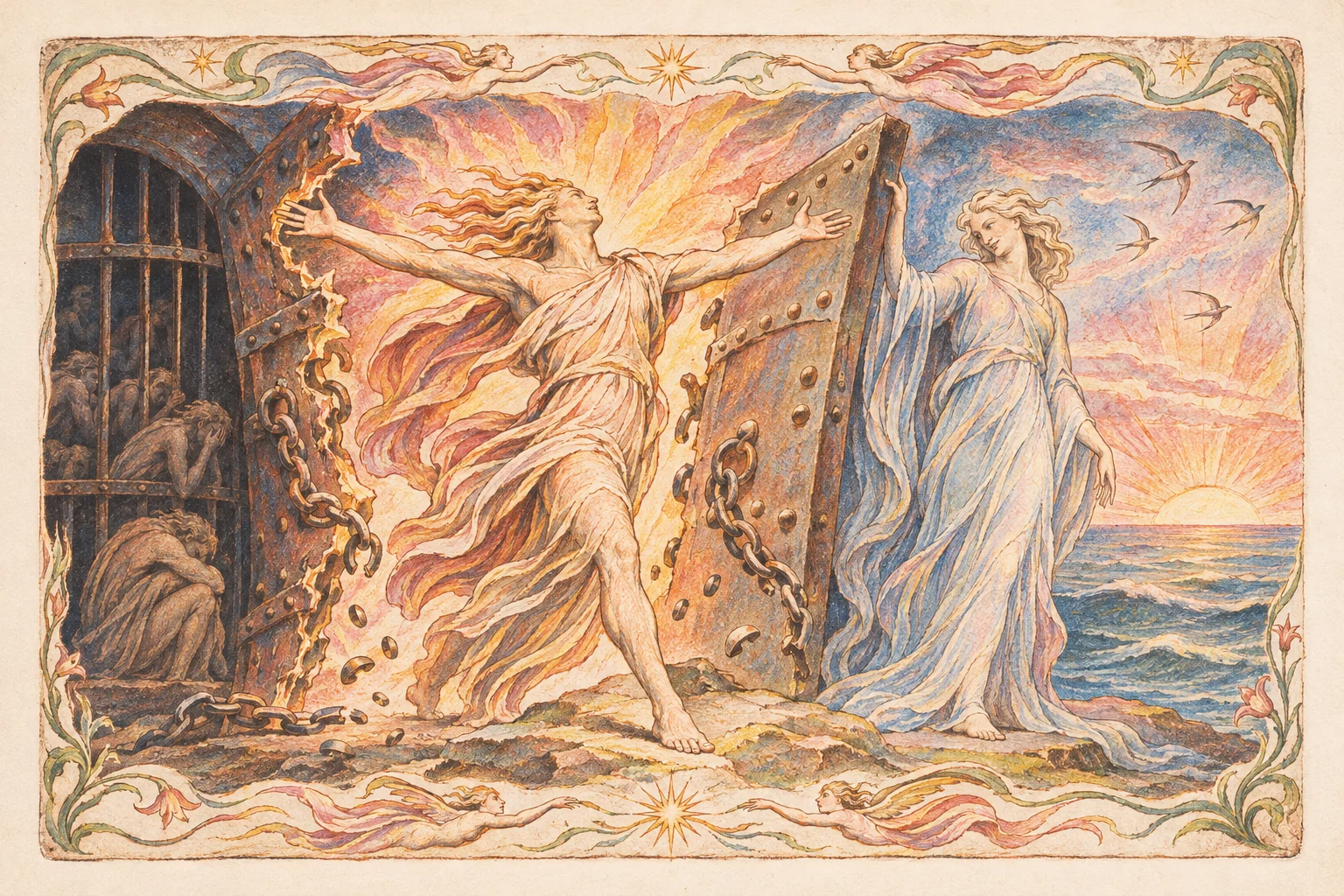
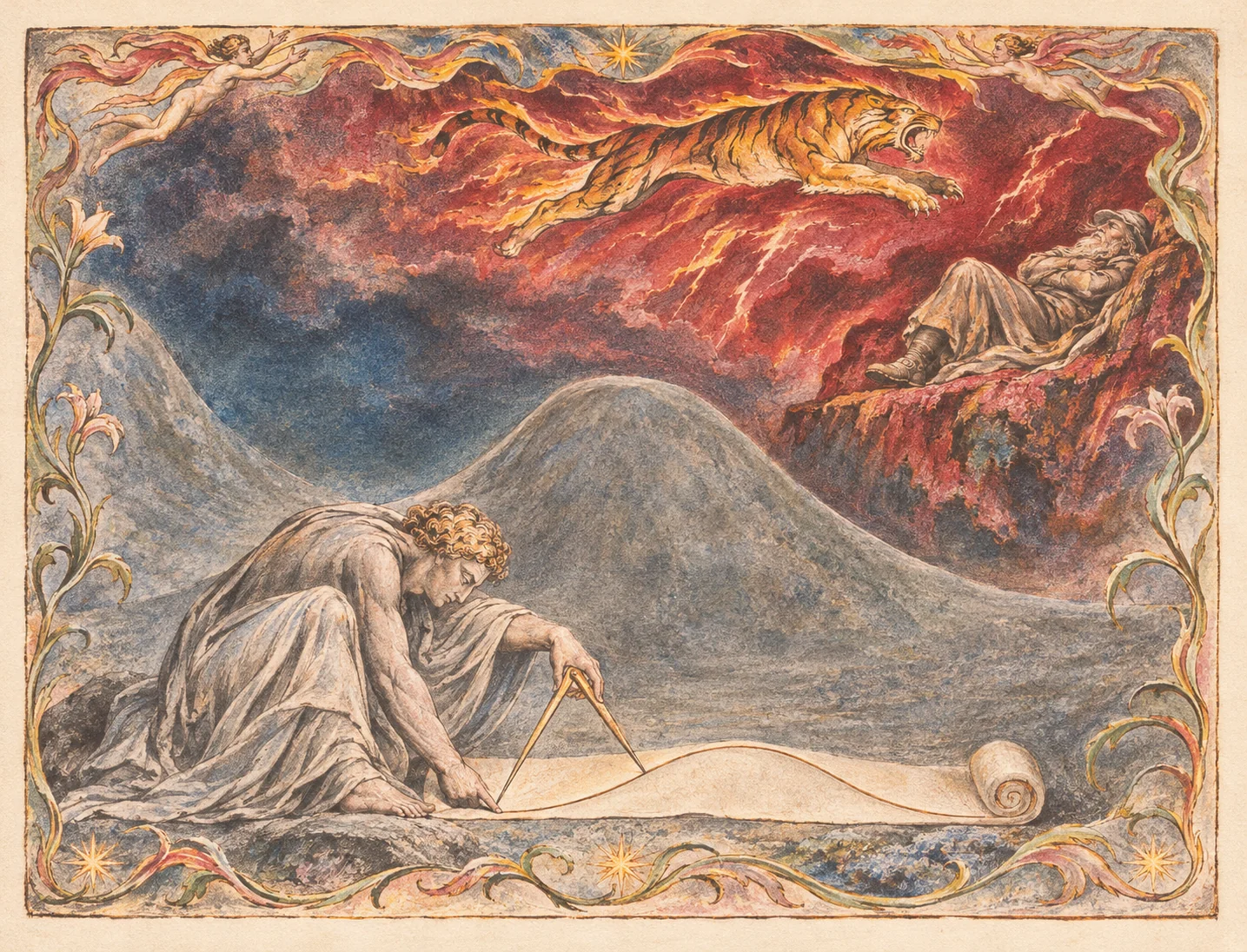
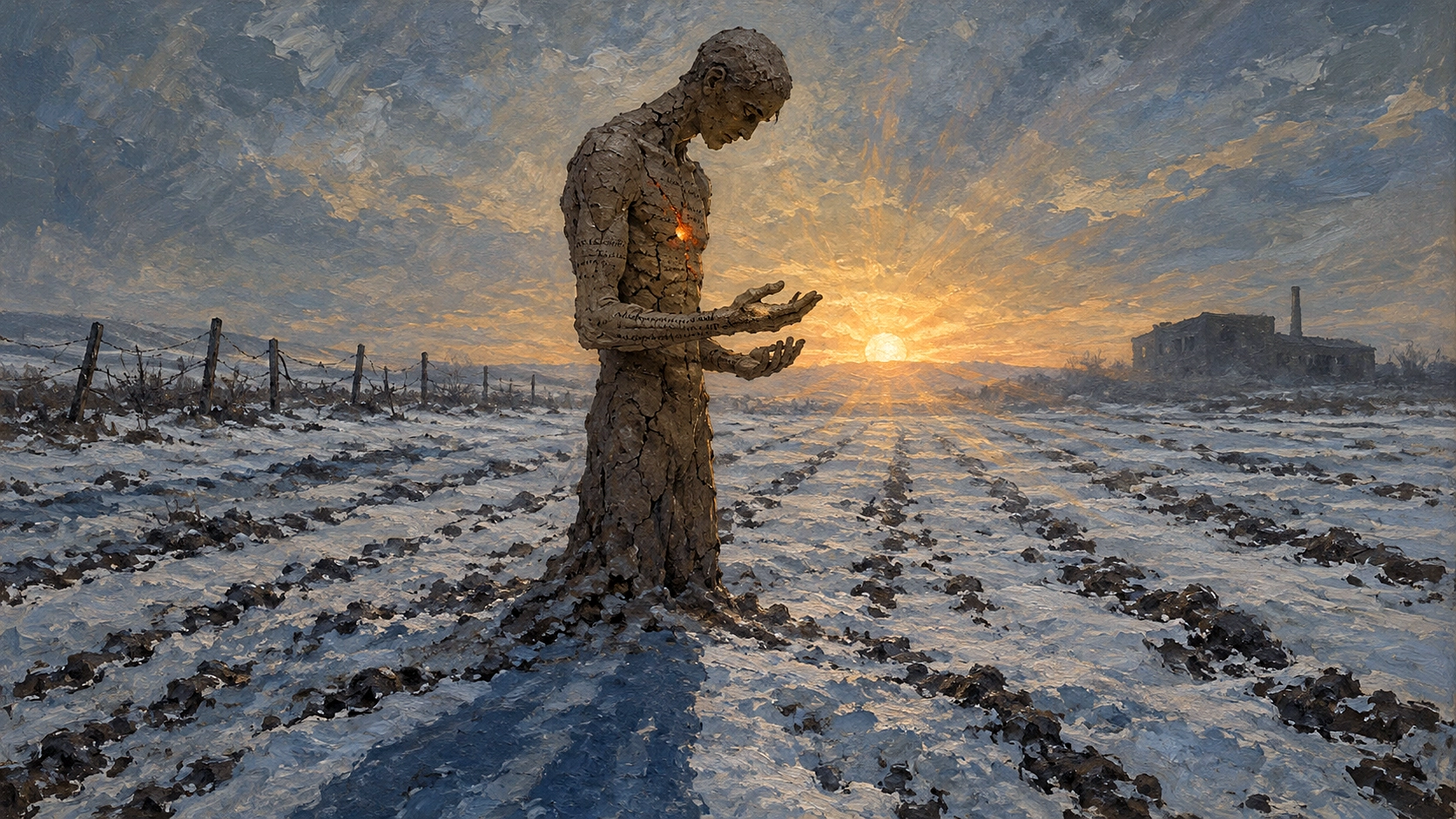
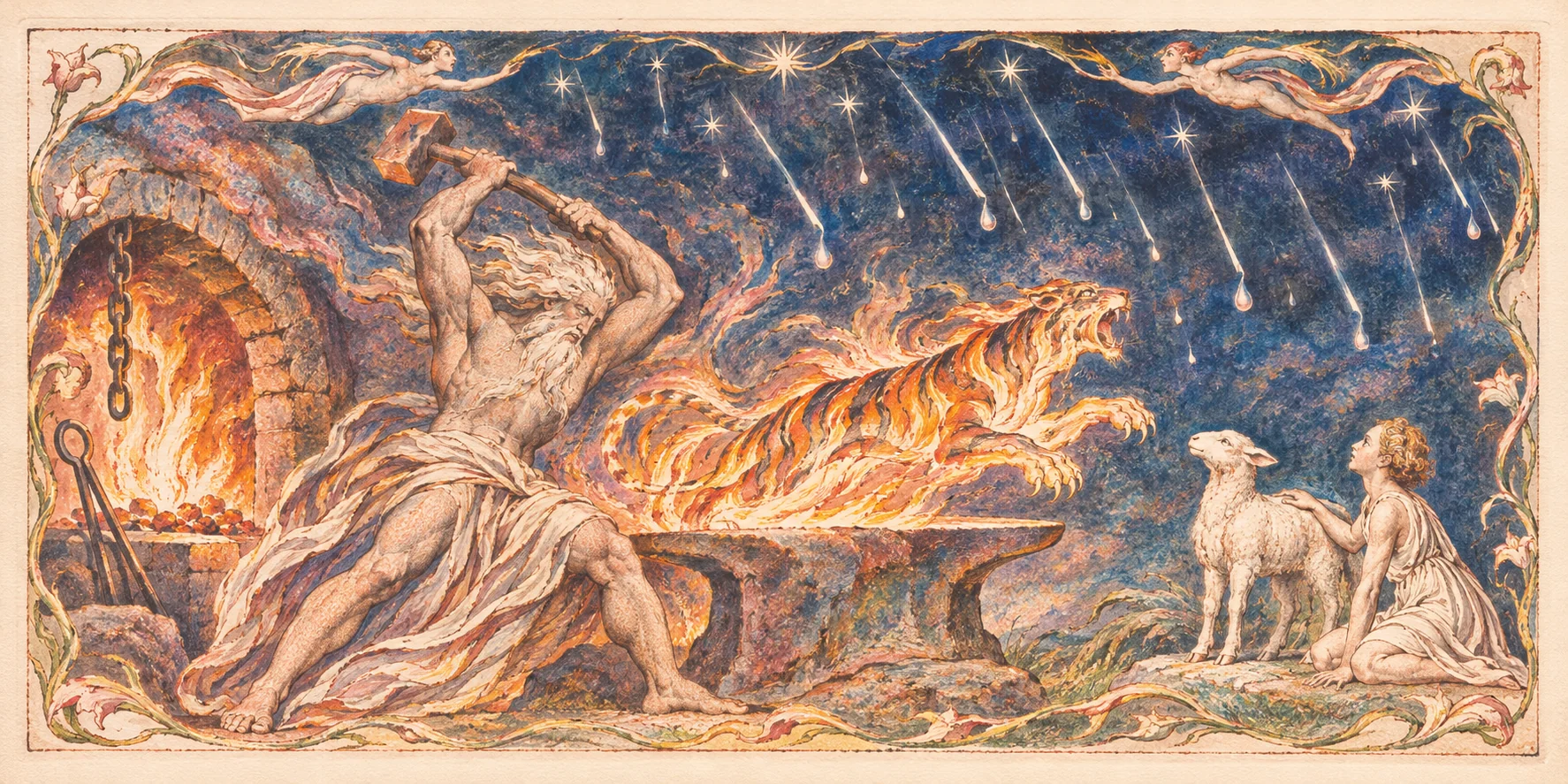
The Clay and the Tyger (AI, Agency & Opacity)
The five-part Compossible essay sequence written alongside After Intelligence.
Compossibility, Ethics, Freedom & Language
Foundational Compossible essays on Hume’s is/ought problem, Spinozist freedom, Wittgenstein’s limits of language, compassion, and AI governance.
Towards a universal ethical framework
Is/Ought Problems and Hume
Free Will Or Freedom? – Part 1

Free Will Or Freedom? – Part 2
The Limits Of Language & Logic – Part 1

The Limits of Language & Logic – Part 2
Suffering, Sacrifice and Compassion — Part 1: Tide Pools of Self‑Consciousness

Suffering, Sacrifice and Compassion — Part 2: Fellow-Mortals
Suffering, Sacrifice and Compassion — Part 3: The Flame

AI: Ethics, Governance, Law & Society
© 2026 Peter Pink-Howitt. All rights reserved. Free to read here. Please link to it and share the link, but don't republish, translate, adapt or sell the text without written permission. The Creative Commons licence that covers the rest of this blog does not apply to After Intelligence.