Suffering, Sacrifice and Compassion — Part 2: Fellow-Mortals
Wee, sleekit, cow'rin, tim'rous beastie, O, what a panic's in thy breastie! Thou need na start awa sae hasty, Wi' bickering brattle!
Continued from Part 1: Tide Pools of Self‑Consciousness.
“Wee, sleekit, cow’rin, tim’rous beastie, O, what a panic’s in thy breastie! Thou need na start awa sae hasty, Wi’ bickering brattle! I wad be laith to rin an’ chase thee, Wi’ murd’ring pattle!
I’m truly sorry man’s dominion, Has broken nature’s social union, An’ justifies that ill opinion, Which makes thee startle At me, thy poor, earth‑born companion, An’ fellow‑mortal! … Still thou art blest, compar’d wi’ me! The present only toucheth thee: But, Och! I backward cast my e’e, On prospects drear! An’ forward, tho’ I canna see, I guess an’ fear!”1 (Robert Burns, “To a Mouse”)
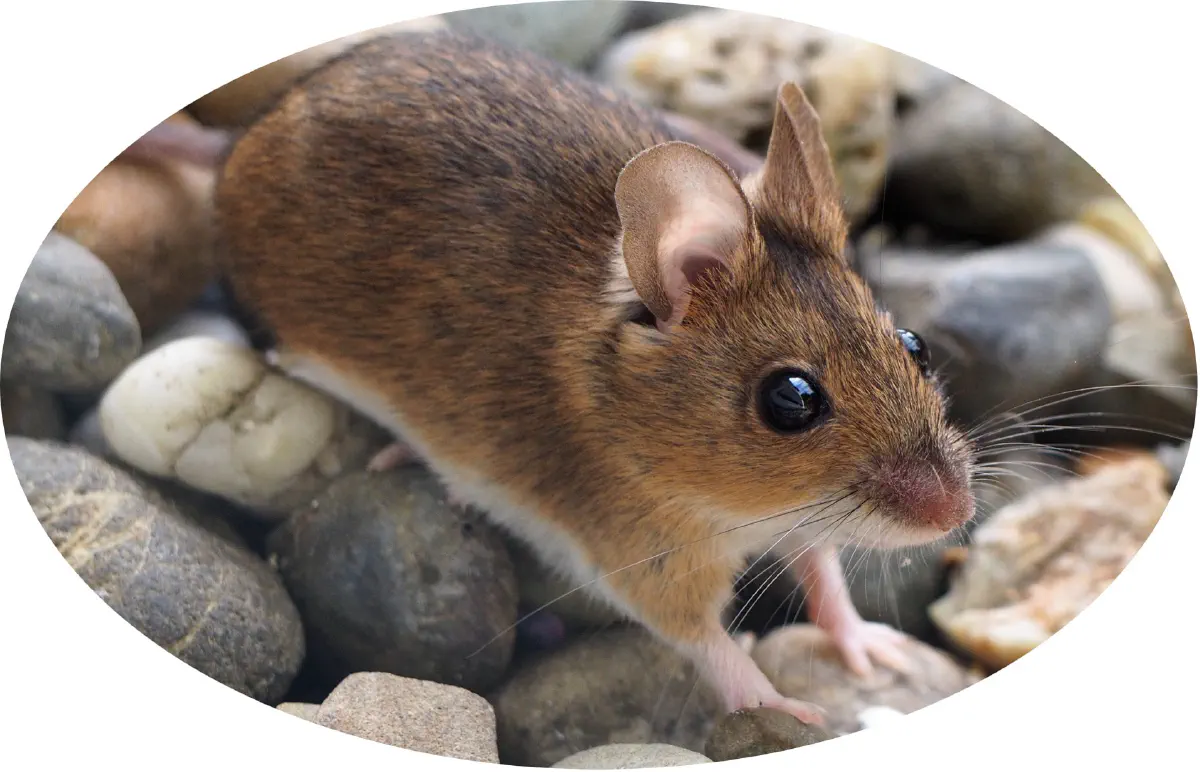
Burns, showing sympathy for the wee creatures that share our world, and which we so thoughtlessly harm or kill as a nuisance or as pests. Understandably, he brings the poem back to us at the end — our plight as prisoners of time — and a poem that reminds us of our own sorrows works better to elicit sympathy for other life‑forms.
The banality of thoughtlessness #
Think how often we kill a rodent, an insect or another animal without sparing it a thought, even when we have no intention of eating it — as if sharing our homes and gardens with other life‑forms (many of them doing a good job of cleaning and recycling) were unconscionable. When COVID‑19 arrived, Denmark culled up to seventeen million mink within weeks;2 in times like those we are reminded how little we care for the lives of other animals.3 Sometimes it seems that, but for our need for food or cheap labour, we would gladly kill every other life‑form if it would save a single human life.
I do not pretend to know how to strike the best ethical balance — I propose that it requires consensus mechanisms within a proper ethical framework — but I find it very hard to believe we are in equilibrium with other species and the wider biosphere.
We kill so thoughtlessly and value non‑human lives so cheaply. This is what the banality of ethical wrongdoing looks like: an inattention that lets wrongdoing whistle quietly past people who are otherwise compassionate and caring. Of course I include myself.
We will always be tempted to confuse value with usefulness to us; we are coded to survive and thrive. But there is more space than we think between our needs and our demands, and today’s thoughtless demands can become tomorrow’s most dreadful needs.
Meat as a rare and costly treat #
It is not inevitable, or right, that a generation of Westerners has been brought up to expect a daily supply of cheap meat from billions of animals, all too often suffering unnecessarily and badly.4 Anyone who claims otherwise is not being truthful — and may even have the gall to dress the claim in the finery of socio‑economic “equality”.
“We were not inserted as ready‑made invasives into an Edenic world. Nor were we intended by providence to rule that world.”5 (E. O. Wilson)
There is nothing equitable, in the reckoning of life, about a right to cause as much suffering to other life‑forms as the next person. It is not a race to see who can inflict the most. That is not a form of equality any of us should wish for.
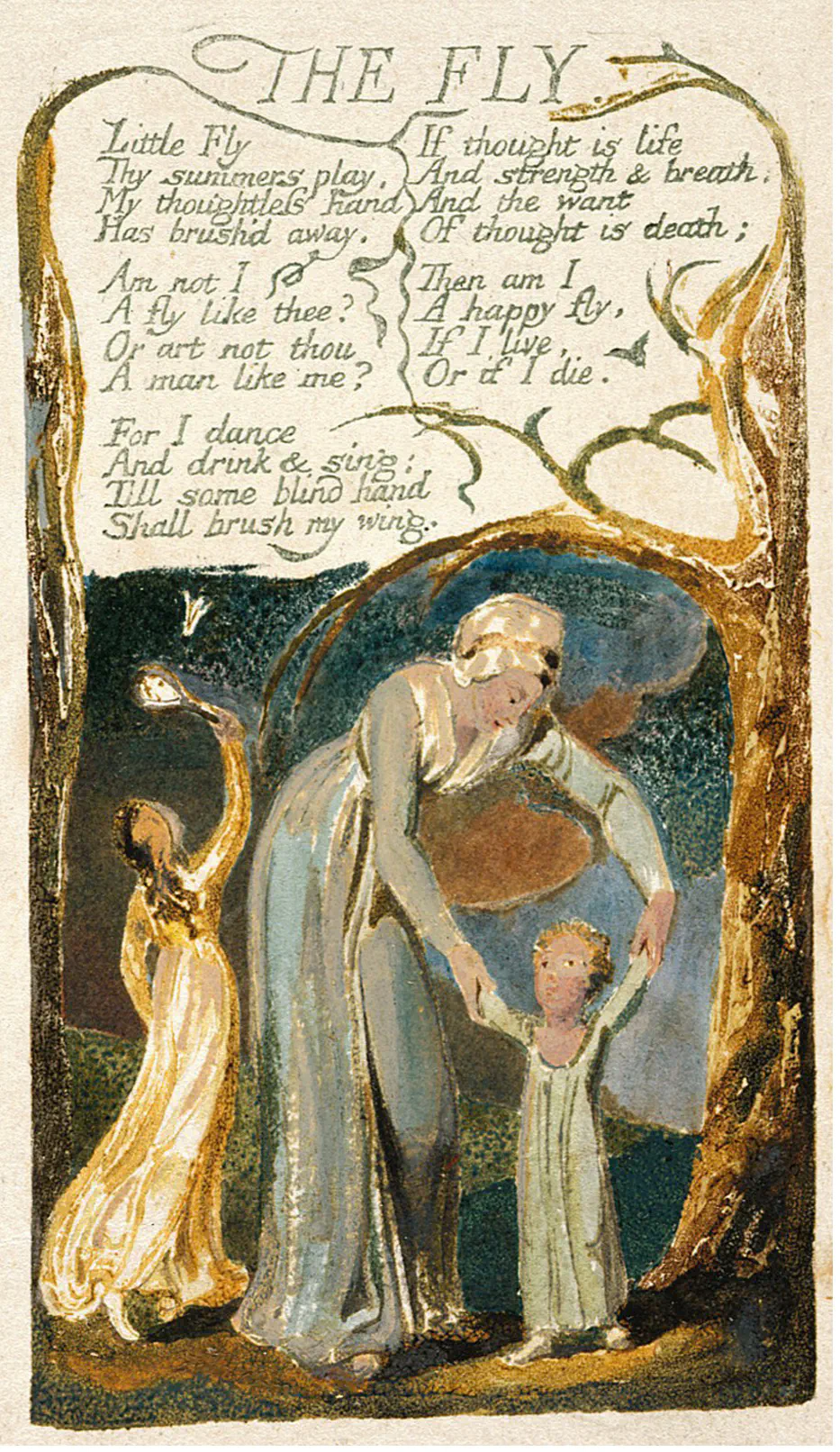
“Little Fly Thy summer’s play, My thoughtless hand Has brush’d away.
Am not I A fly like thee? Or art not thou A man like me?
For I dance And drink and sing: Till some blind hand Shall brush my wing.
If thought is life And strength and breath: And the want Of thought is death;
Then am I A happy fly, If I live, Or if I die.”6 (William Blake, “The Fly”)
The simple truth is that we cannot afford to eat as much meat as we do, given the suffering involved and the externalities for the biosphere. If we choose to eat meat it should be a rare and costly treat, and the cost should reflect the reduction in suffering and the mitigation of climate change and deforestation. The ethical framework does not prohibit eating animals; it says we cannot be oblivious to the impact of eating cheap — the near‑certainty of significant unnecessary suffering in how animals are raised — nor to the environmental cost of how, and how much, we rear them.
We should be joyful at the prospect of meat we cannot afford every day. It would mean we are on a better path. That some very wealthy people might carry on eating it daily is a matter for their consciences and wallets.7 We cannot expect the businesses that profit from this suffering to lead us into the promised land; capitalism is many things, but it is not a judicious weighing scale of compassion and wisdom. Nor can we expect governments largely captive to big business. If they will not act, we need to change them and the processes that perpetuate this thoughtless, inequitable foolishness.
Grief is not ours alone #
“We humans don’t own love or grief — these emotions are widespread in other animals.”8 (Dr Barbara J. King)
There are numerous cases of animals displaying behaviour that suggests sacrifice, courage, suffering, love,9 compassion10 and mourning.11
“A herd of elephants marched 12 hours to the house of Lawrence Anthony after he died – the man who saved them. They stayed there silent for two days. Exactly one year after his death, to the day, the herd marched to his house again. It is something that science cannot explain.”12
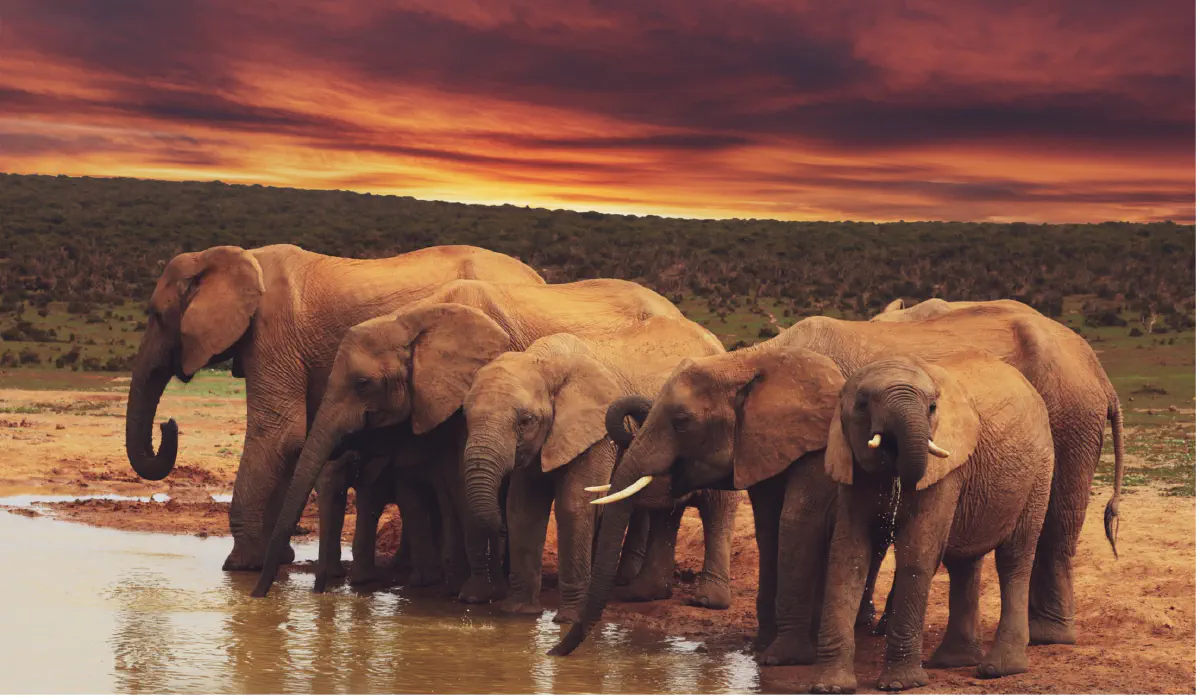
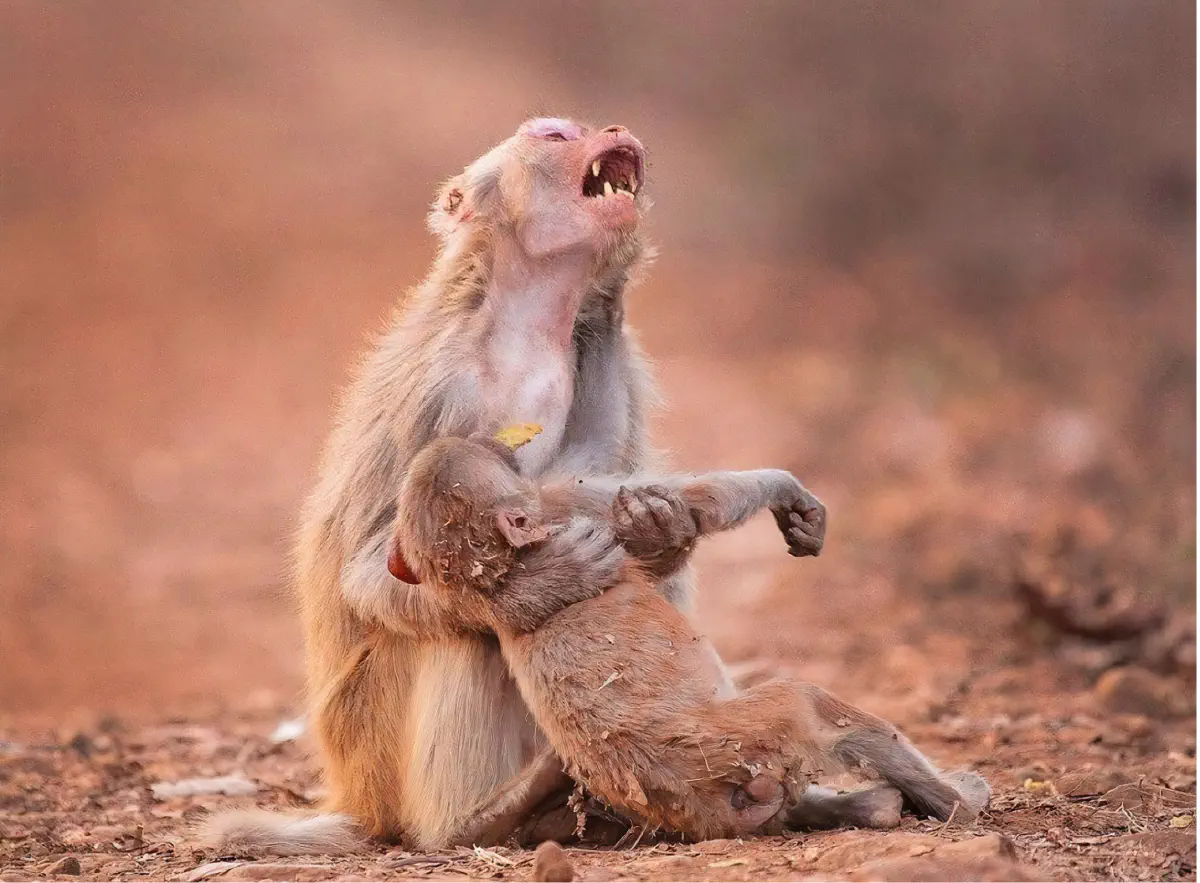
Elephants are intelligent, soulful animals with a great capacity to suffer, to sacrifice,14 to love and to feel loss. But there is no evidence that this capacity is unique to humans and elephants. All the evidence is the other way: these emotions are widespread in the animal kingdom, to different degrees and in different forms.
“Non‑human primates like monkeys and apes appear to have an awareness of death in the same way humans do, scientists have said. After analyzing over 200 years’ worth of research into how primates deal with death, they found common behaviors emerged – including carrying their dead, defending the deceased from threats and exhibiting a grief‑like response.”15 (Hannah Osborne)
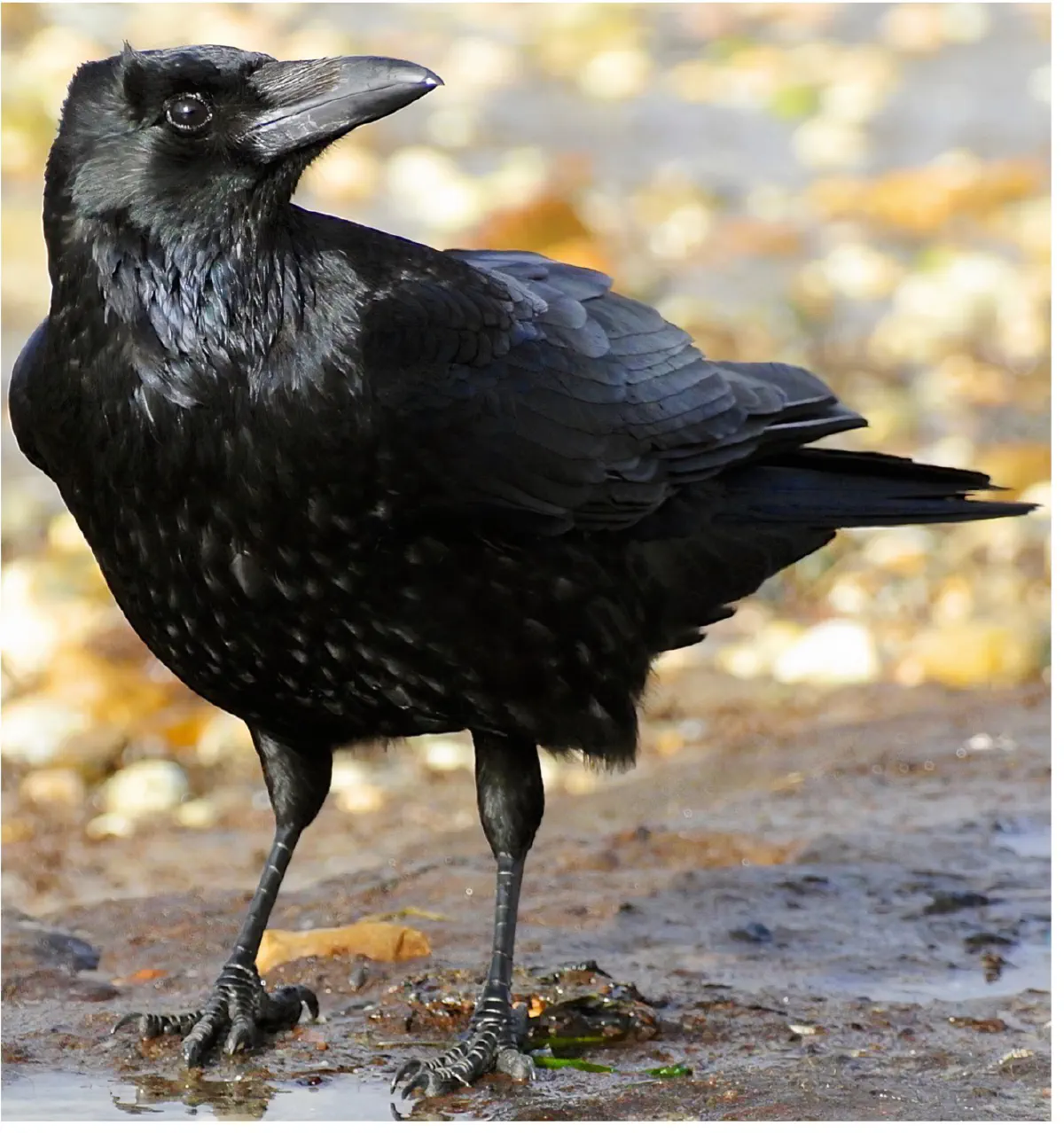
Our primate cousins show a broad range of emotions and actions that suggest self‑reflective sapience.16 Their grief is like ours; they simply have less time to reflect before daily life forces them to move on. Each time we look more carefully at birds,17 mammals18 and many other life‑forms we find that our uniqueness is a matter of extent or expression, not of capacity.
The rigged language game #
Our desire to believe in something — including our own uniqueness — and the lengths we will go to in justifying it, is one of the most unique things about us.
We are told that experts fear to attribute complex emotions to animals lest they anthropomorphise. Look at the delicate, doubtful language: “like”, “appears”, “may”, “suggests”. Let us call it as we see it, and think on the implicit arrogance of our hedging, all these years after Darwin.20 The only justified scientific hesitancy should be reserved for claims about our own alleged uniqueness.21 What we should fear is the opposite of such caution: a culture and language that assume we are special, when all the mounting evidence says the “human” qualities are not only human. Talk about stacking the deck. It is an Orwellian feedback loop in which the approach to truth is lost in a corruption of logic and language.
“But if thought corrupts language, language can also corrupt thought.”22 (George Orwell)
All life evolved from common code, and for mammals the divergence is recent, so we share very many characteristics and very few unique ones. Yet when it comes to attributing shared traits we rebel the moment they might qualify our specialness. Of course we do, given how we treat other life‑forms and our persistent belief in our right to eat the whole world.24
The burden of proof has been inverted from the natural one. If we must assume, we should assume that all life‑forms have some degree of sentience and, potentially, sapience; the more closely related, the more likely the shared traits. Where a non‑human life‑form sits on that spectrum should be decided on objective criteria that are not unfairly discriminatory.
How did we get so wrong‑headed at this stage of our “scientific” culture? And can you see how the very same language game has been used throughout history to justify the mistreatment of other humans on arbitrary grounds of colour, race or religion?
“After perfecting the techniques on black enslaved women without anesthesia in America, Sims went on to offer the procedure in Europe to wealthy white women who were sedated …25 Sims’s decision to not use [anesthesia] – or any other numbing technique – was based on his … belief that Black people didn’t experience pain like white people did.”26
We are not permitted, scientifically or ethically, to assume a position that happens to serve our own interests and then call it science. Our ethical frameworks must expect self‑centred propositions on slender evidence, and impose a very high burden of proof on anyone who claims that a life‑form does not feel, love, think, suffer or mourn. That burden belongs with the proponents of human specialness. Given how dangerous this human solipsism is, protections against it are written into the axioms of the ethical framework. Likewise, the claim that only humans have wisdom because only humans have human culture is self‑serving and arbitrary; it should be presumed wrong, reformulated into a non‑human definition of culture, and put to the strongest non‑discriminatory tests.
Like the heart #
Our relationship with cats and wolves — above all with dogs, as domesticated wolves — makes a mockery of any claim that we are being prudent in our caution. The early alliance of wolves and humans must have given us great success in hunting and in protecting our clans. It did not develop as a slavish response to capture. Genuine love, respect and empathy grew in the fertile space between the species, and it goes both ways; that is why the symbiosis has lasted.27
“A Robin Red breast in a Cage Puts all Heaven in a Rage.”28 (William Blake)
“[There is] a play on the Hebrew word for a dog, which is ‘kelev’. The second syllable of the word ’lev’ means ‘heart’, and ‘ke’ is ’like’, so it’s ’like the heart’.”29
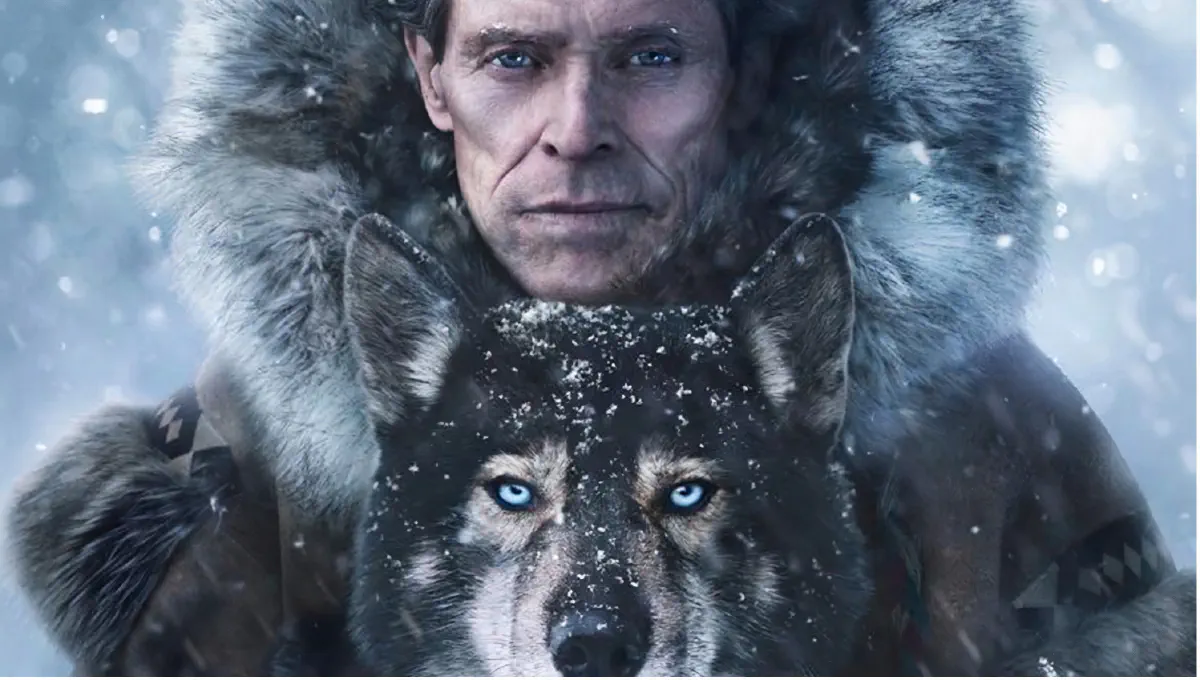
“Togo (1913 – December 5, 1929) was the lead sled dog of Leonhard Seppala and his dog sled team in the 1925 serum run to Nome … Togo and Seppala traveled 260 miles (420 km) from Nome in three days, and picked up the serum in Shaktoolik on January 31. The temperature was estimated at −30 °F (−34 °C), and the gale force winds causing a wind chill of −85 °F (−65 °C).”31
In 2018 the world’s press reported that an orca, J35 — Tahlequah — had carried her dead calf for seventeen days and more than a thousand miles. She did it again in the first days of 2025, after losing another calf.
“As J35’s sojourn continued, some experts wondered why she was so attached to the calf … [John Ford said,] ‘The whales have a very strong drive to look after their offspring and this evidently extends to neonates that die at birth.’ The death of another calf is a significant blow to J Pod, which hasn’t seen a successful birth in three years.”32
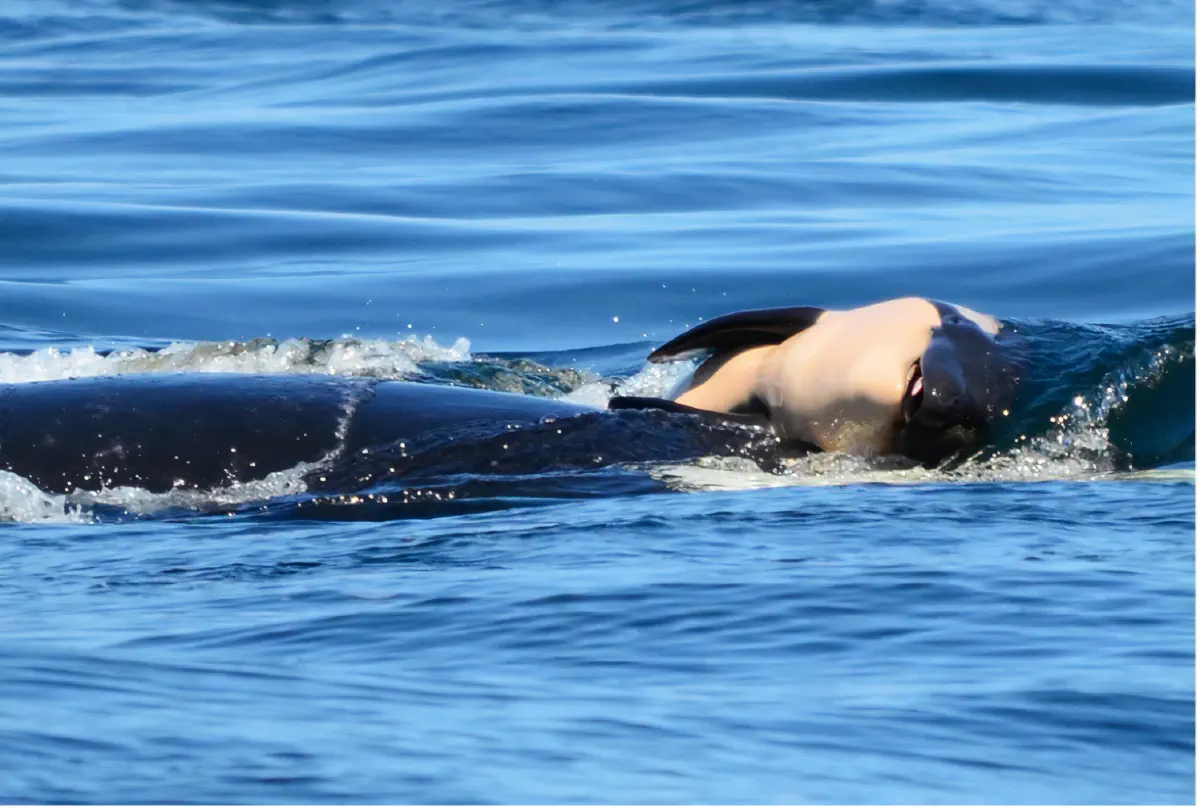
The wonder is why any expert would think a successful mammal species would not be so attached to its young, in this hard world. Any large mammal that was not would already have been killed off by humans. It is a hard, hard world for wild animals, made so much harder by us.34 We are responsible for the deaths of thousands of species, and have killed or nearly killed many of the most closely related, most sentient and largest animals on Earth — whales, bears, wolves, primates. It is too late for the great animals that vanished soon after Homo sapiens spread across the world, or that have died out more recently. Thousands of smaller species are at great risk now.
What Chernobyl taught #
Yet with some space, most life‑forms return to healthy, flourishing populations.35 Our great disasters36 show how little room we normally leave them. Animals just need to be allowed to live, hunt or forage, breed and love.37
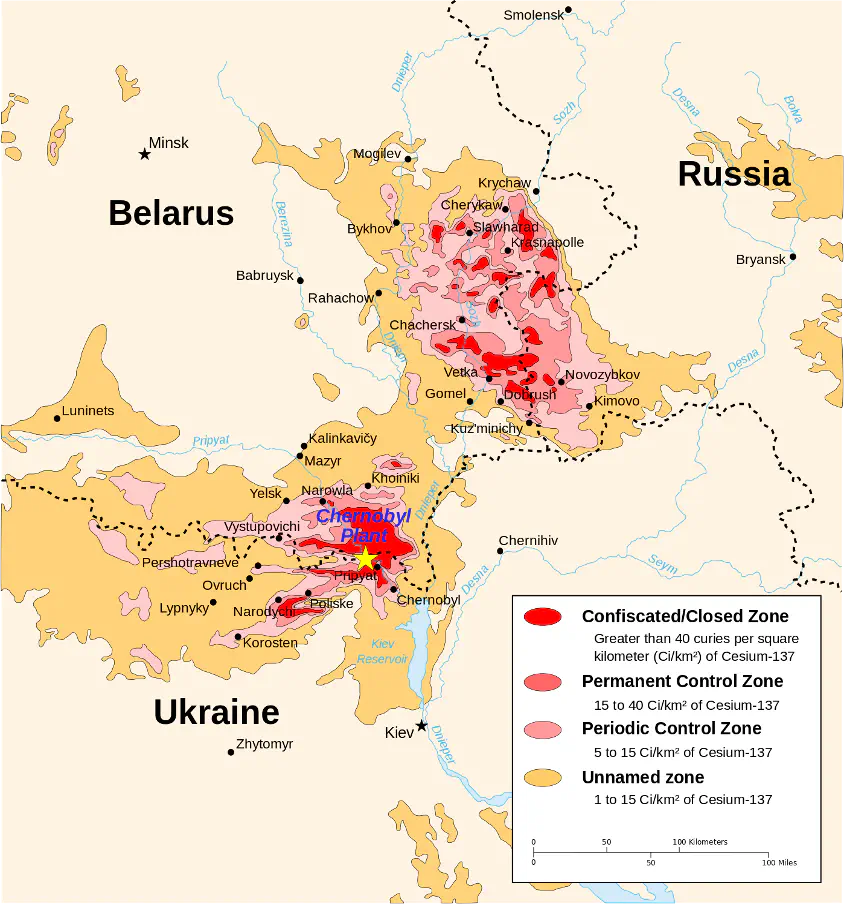
“In fact, increases in elk (moose) and wild boar populations in the Chernobyl exclusion zone occurred in the early 1990s, when these species’ populations were undergoing a rapid decline in former Soviet Union countries … Further, the relative abundance of wolves living in and around the Chernobyl exclusion zone site is more than seven times greater than in the four nearby uncontaminated nature reserves.”39(GrrlScientist)
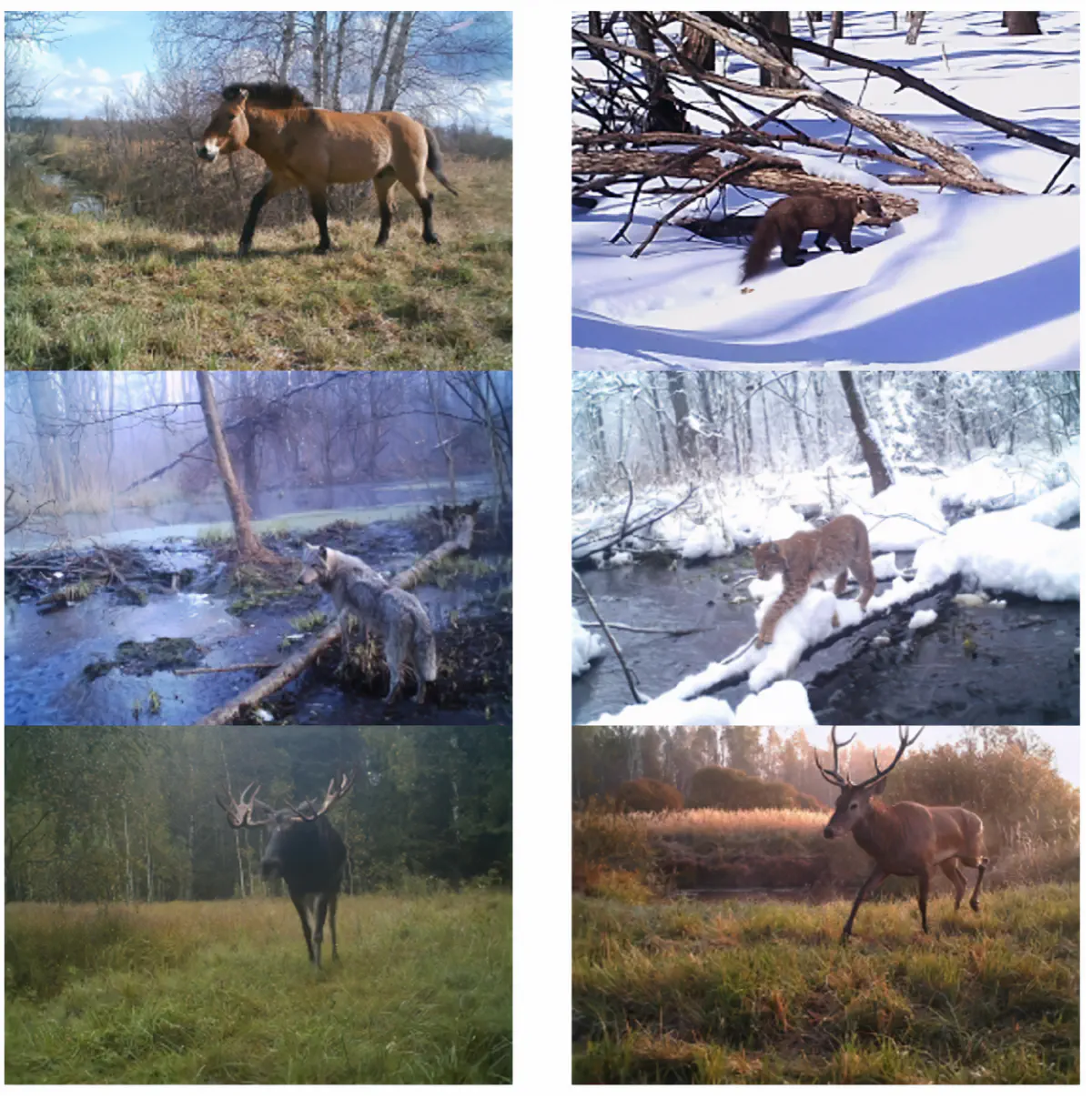
Must the remaining large life‑forms have a good chance only if we destroy ourselves and the places we live?
This series is not meant to be a compendium of gloom. But before suffering and apathy can be transformed into compassion and wisdom, they must be recognised and accepted — welcomed in, not talked away with human bias, fear, superiority or apathy.41
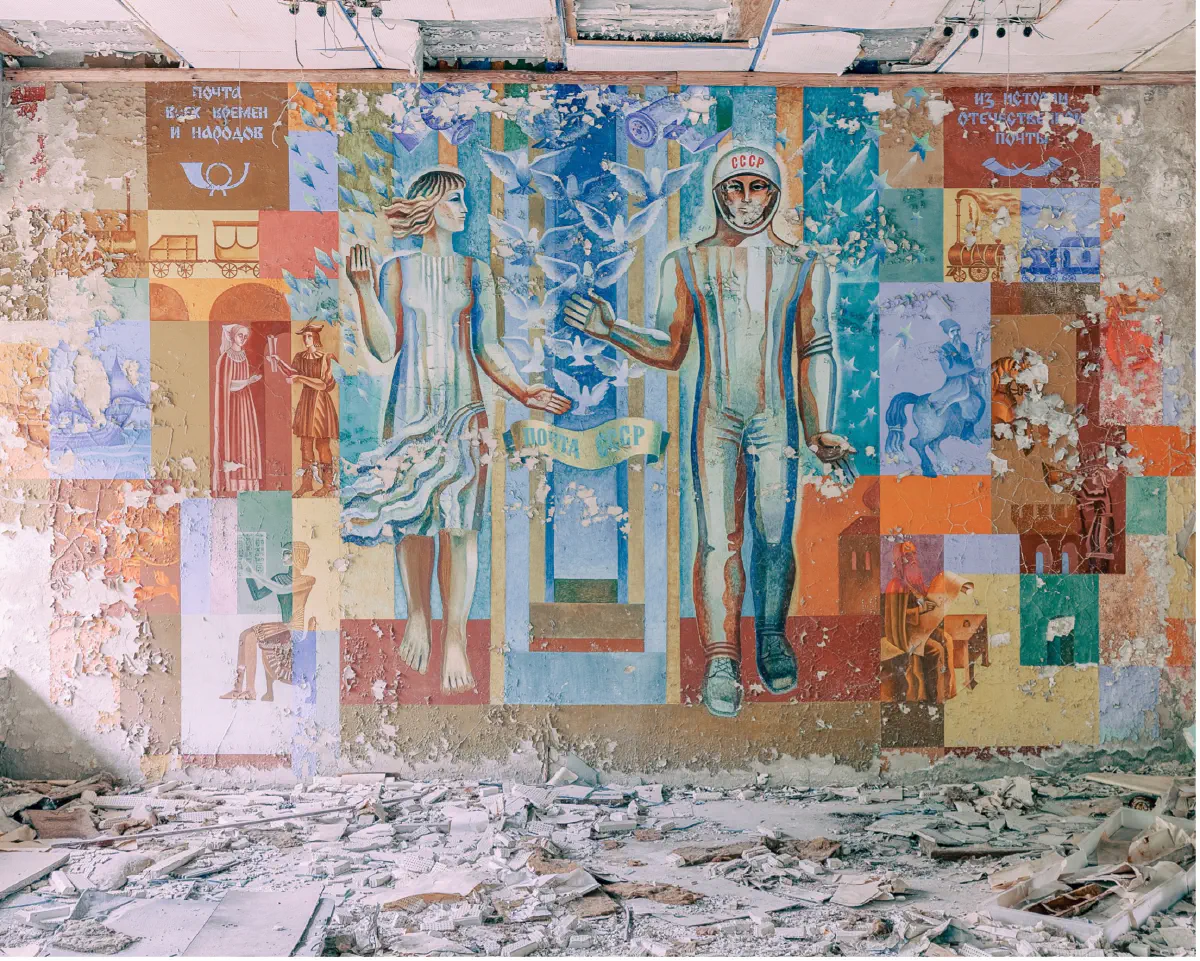
Animals were not made for us #
“True human goodness, in all its purity and freedom, can come to the fore only when its recipient has no power. Mankind’s true moral test, its fundamental test (which is deeply buried from view), consists of its attitude towards those who are at its mercy: animals.”42 (Milan Kundera)
We must first count the value of other life‑forms fairly, not on anthropocentric terms biased about what can feel or what is harmed by the loss of its freedom of action. Our culture can no longer rest on redefining suffering, sentience and sapience so as to exclude other life‑forms. We need to realise the value of the diversity of species.
In the last ten thousand years, as humans accelerated their dominance of the biosphere, extraordinary numbers of life‑forms and species have gone extinct — a species sacrifice in which humans, unknowingly at first and now knowingly, have eradicated billions of years of evolutionary problem‑solving in a few heartbeats. The extinction rate keeps climbing and we can no longer claim naivety, as though each species we eradicate will be magically renewed by God or nature. The cognitive revolution that produced human culture changed the rules of the game, much as an aggressive non‑human AI would today. Many of Earth’s other life‑forms never had the chance to adapt.
Who will build a holocaust43 museum for the extinct species — to remember the loss of diversity and complexity, the mistreatment of animals, and as a caution to save what remains?
Are we prepared to be asked: and where were you, and what did you do?44
A gallery of the lost #
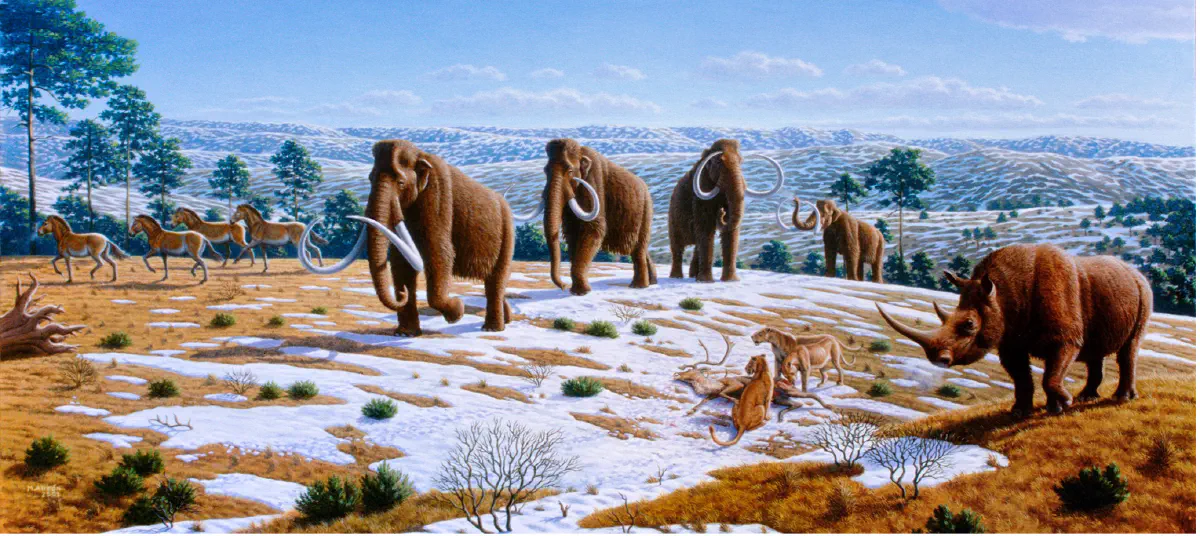
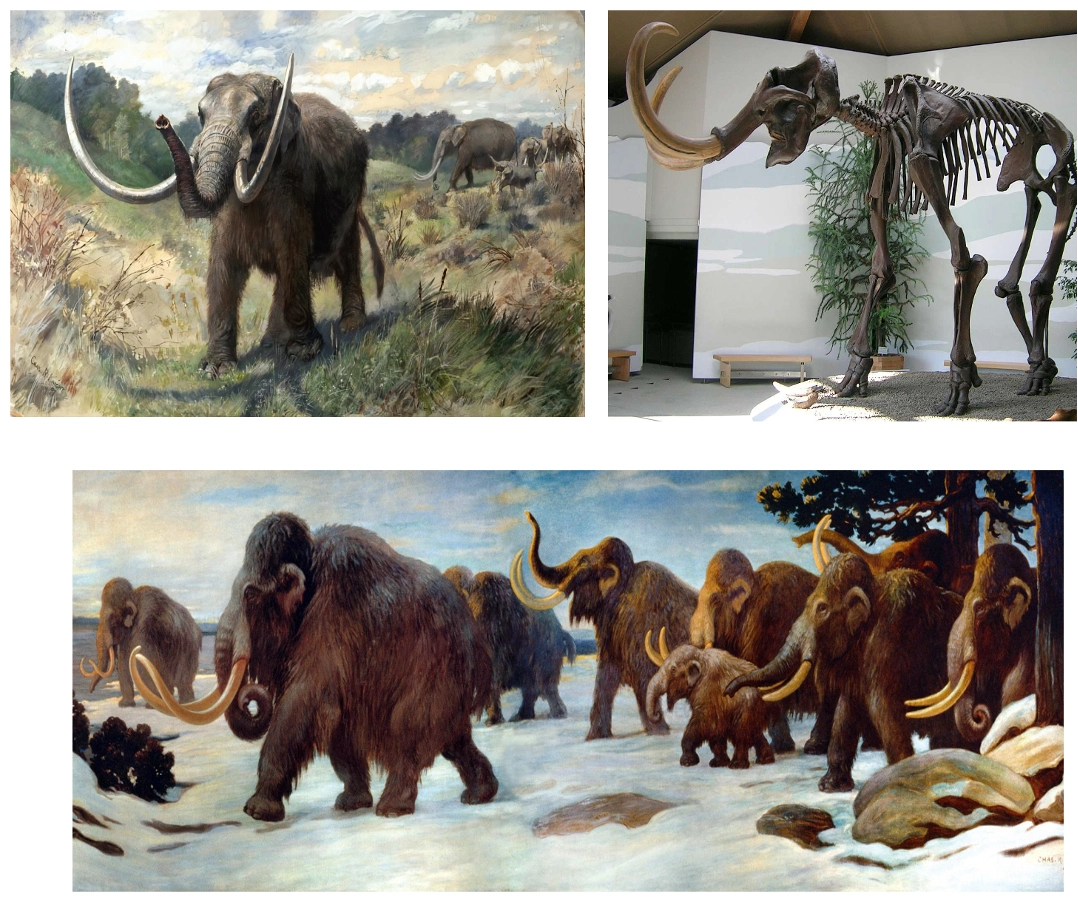
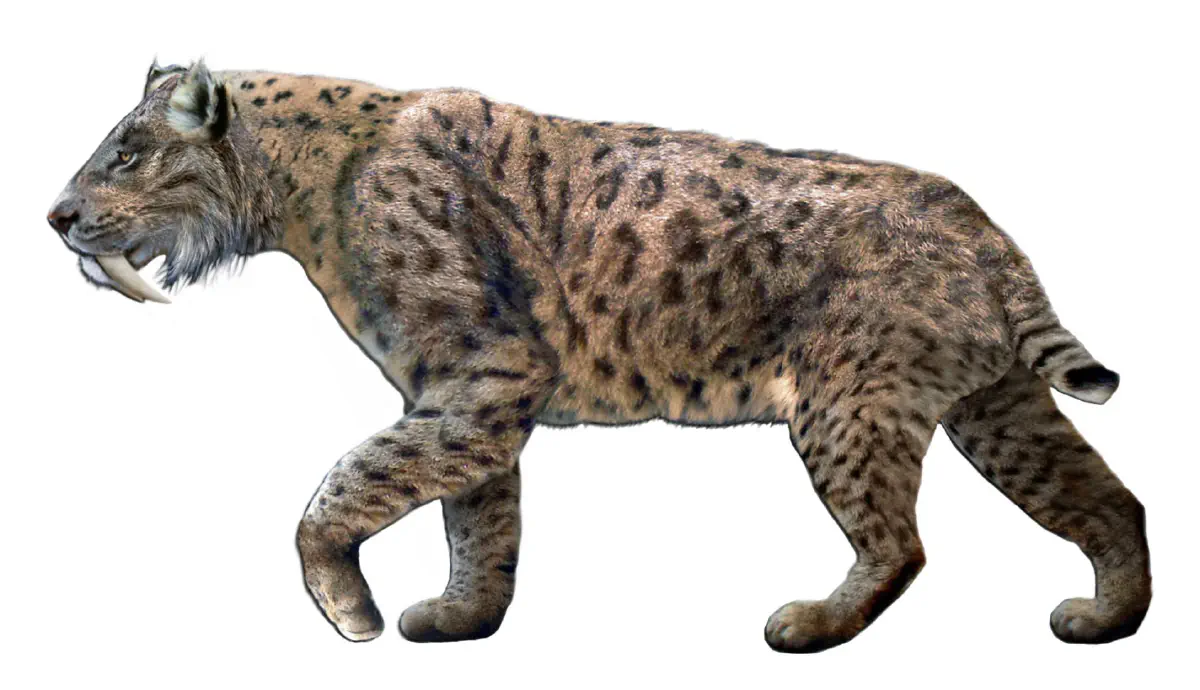
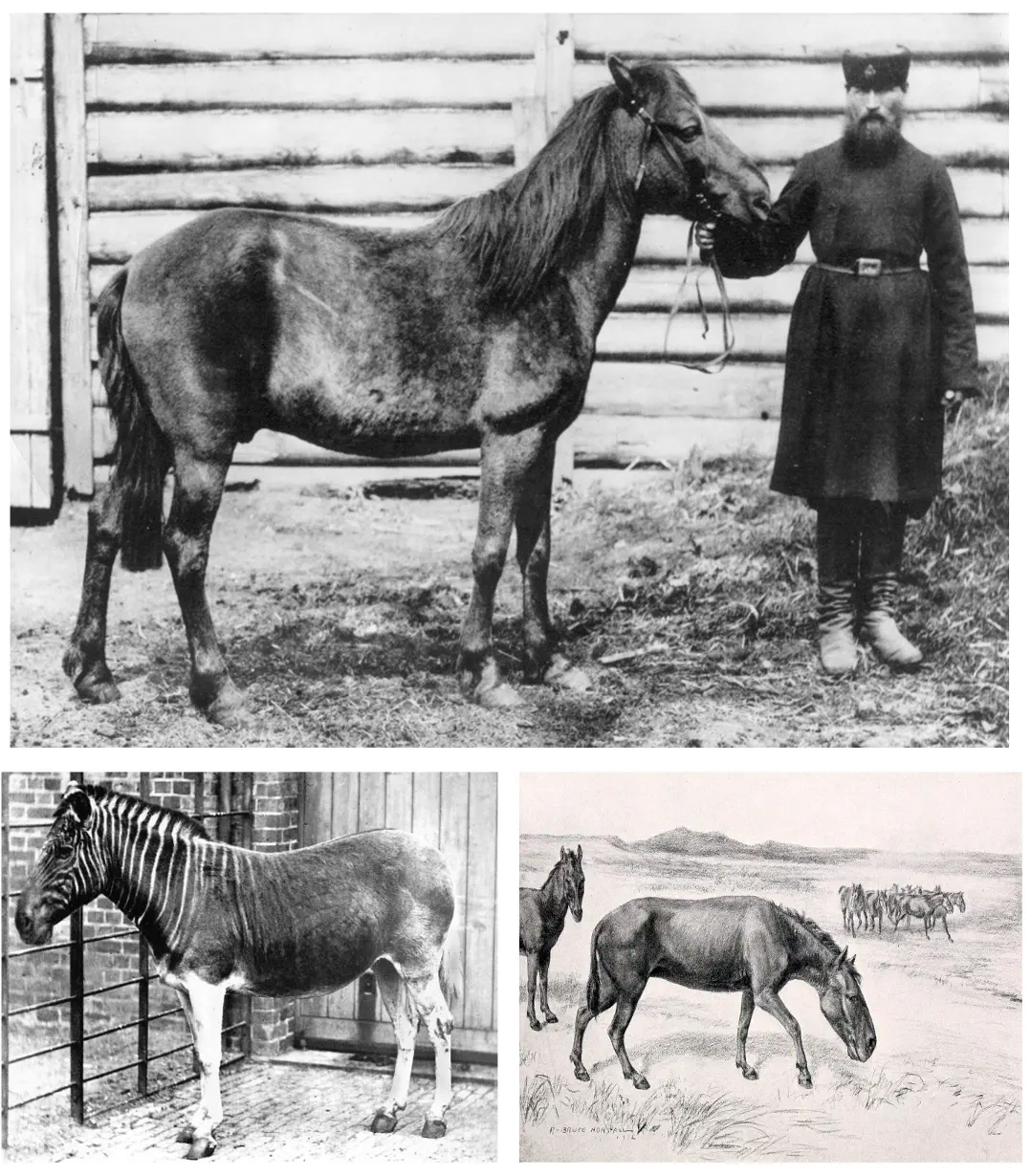
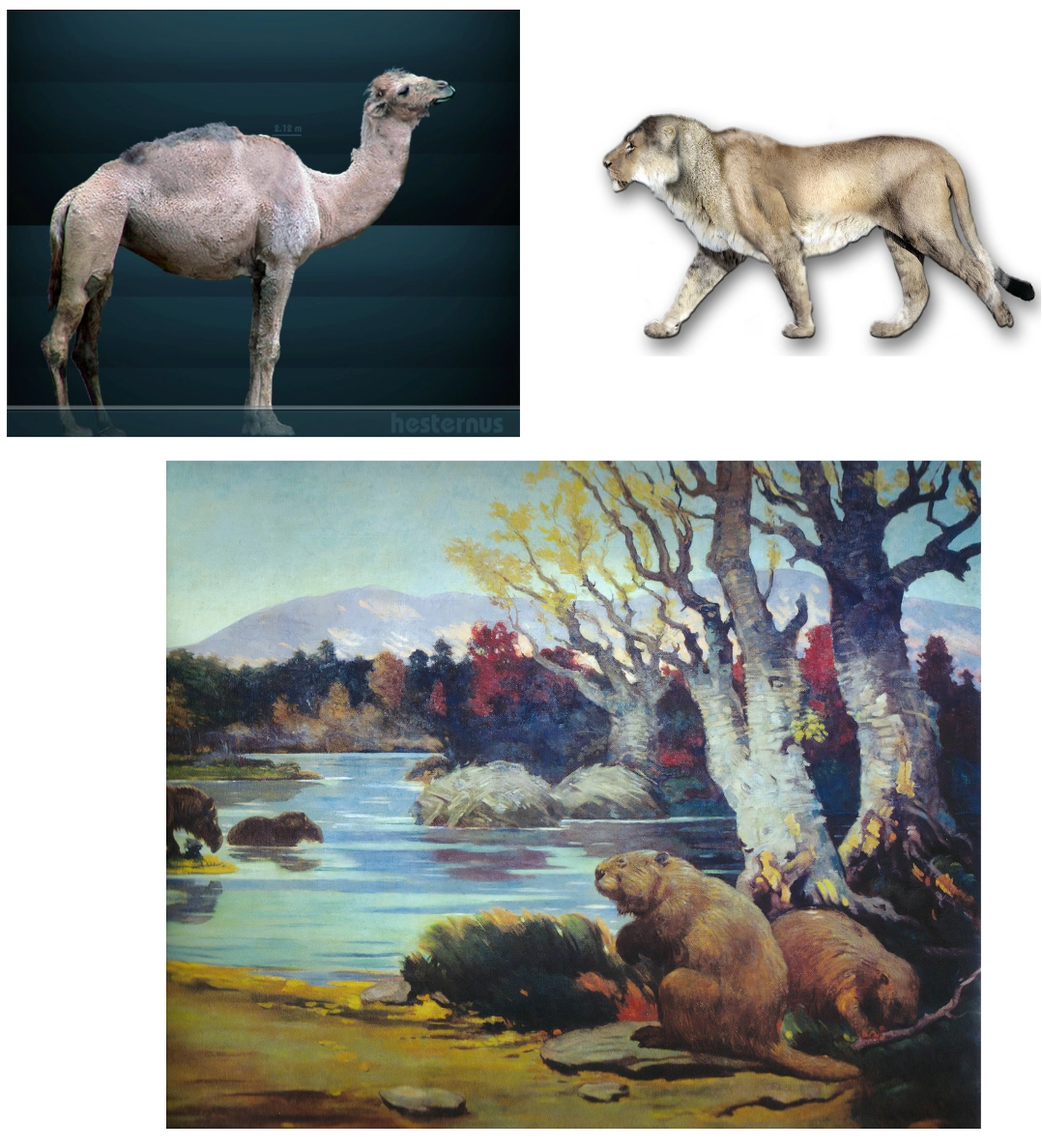
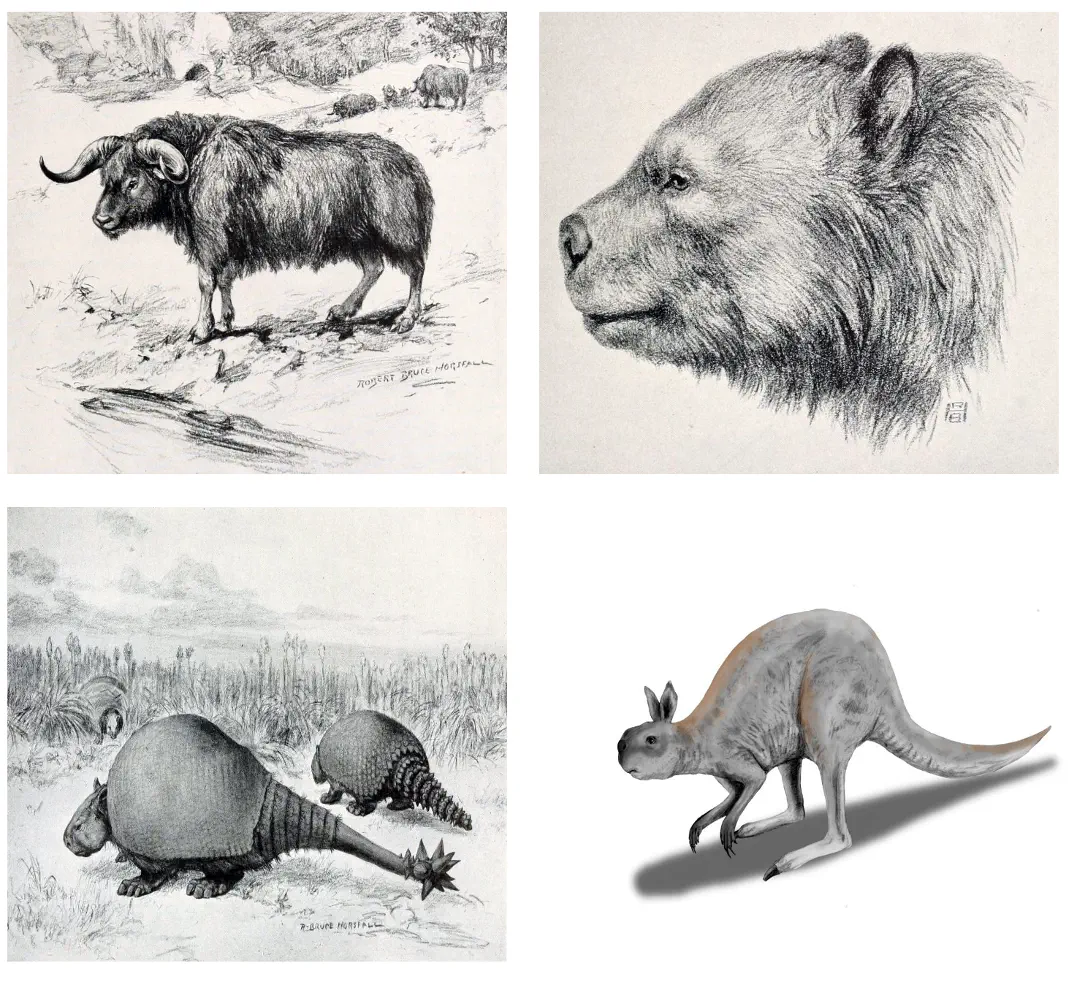
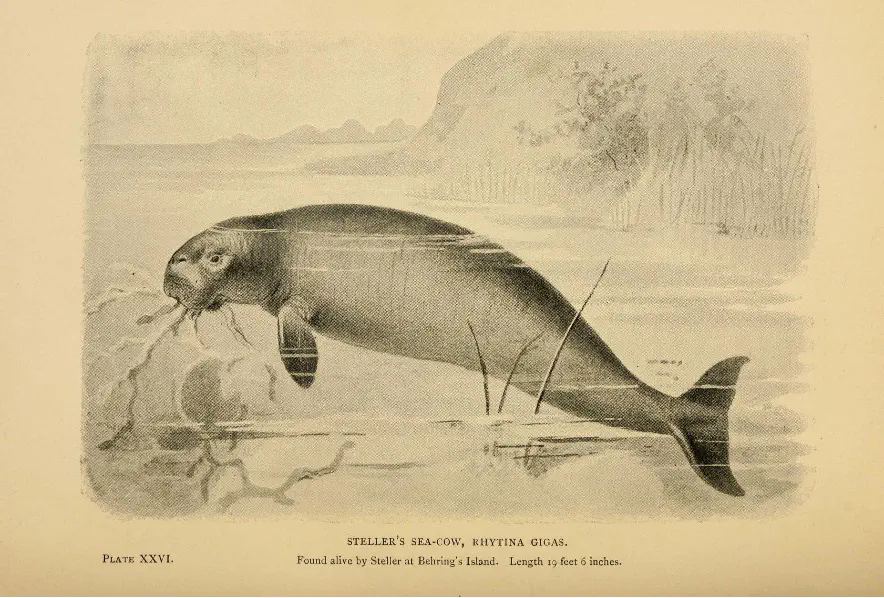
In addition to those shown, other extinct species include the Dodo, the Dire wolf, the Japanese wolf, the passenger pigeon, the Labrador duck, Bison antiquus, the woodland musk ox, the Rocky Mountain locust, the Hawaiʻi chaff flower,48 the deepwater cisco,49 and thousands of now‑extinct species and subspecies across cats, bears, horses, skinks, wolves, birds and insects.50 Many more are set to join them, including half of all tortoise and turtle species.51 The list is almost as endless as human desires.
We are perhaps living at the zenith of the deification of the human species; hopefully we are also near the nadir of the destruction of the sacred spirit found in every life‑form. All sacrifices are now made to humanity’s own image and justified for our greater good — yet even sacrifice has become banal. The annihilation of a species — that specific adaptation of life, honed over millions of years — is lost for eternity. We destroy thousands without a care. Words cannot do justice to the short‑sighted stupidity of it.
“The animals of the world exist for their own reasons. They were not made for humans any more than black people were made for white.”52 (Alice Walker)
It is time to change our actions and our beliefs to incorporate how the world really works: the interconnectedness of all life‑forms. To step back from this shared egocentric madness. To paraphrase Rilke: we must change our lives.
The Nightingale and the Rose #
“[The Nightingale sang:] ‘Yet Love is better than Life, and what is the heart of a bird compared to the heart of a man?’ ‘Be happy,’ cried the Nightingale, ‘be happy; you shall have your red rose. I will build it out of music by moonlight, and stain it with my own heart’s‑blood. All that I ask of you in return is that you will be a true lover, for Love is wiser than Philosophy, though she is wise, and mightier than Power, though he is mighty’ … The Student looked up from the grass, and listened, but he could not understand what the Nightingale was saying to him, for he only knew the things that are written down in books.
… And when the Moon shone in the heavens the Nightingale flew to the Rose‑tree, and set her breast against the thorn. All night long she sang with her breast against the thorn, and the cold crystal Moon leaned down and listened. All night long she sang, and the thorn went deeper and deeper into her breast, and her life‑blood ebbed away from her.
… Then she gave one last burst of music. The white Moon heard it, and she forgot the dawn, and lingered on in the sky. The red rose heard it, and it trembled all over with ecstasy, and opened its petals to the cold morning air. Echo bore it to her purple cavern in the hills, and woke the sleeping shepherds from their dreams. It floated through the reeds of the river, and they carried its message to the sea.”53 (Oscar Wilde, “The Nightingale and the Rose”)
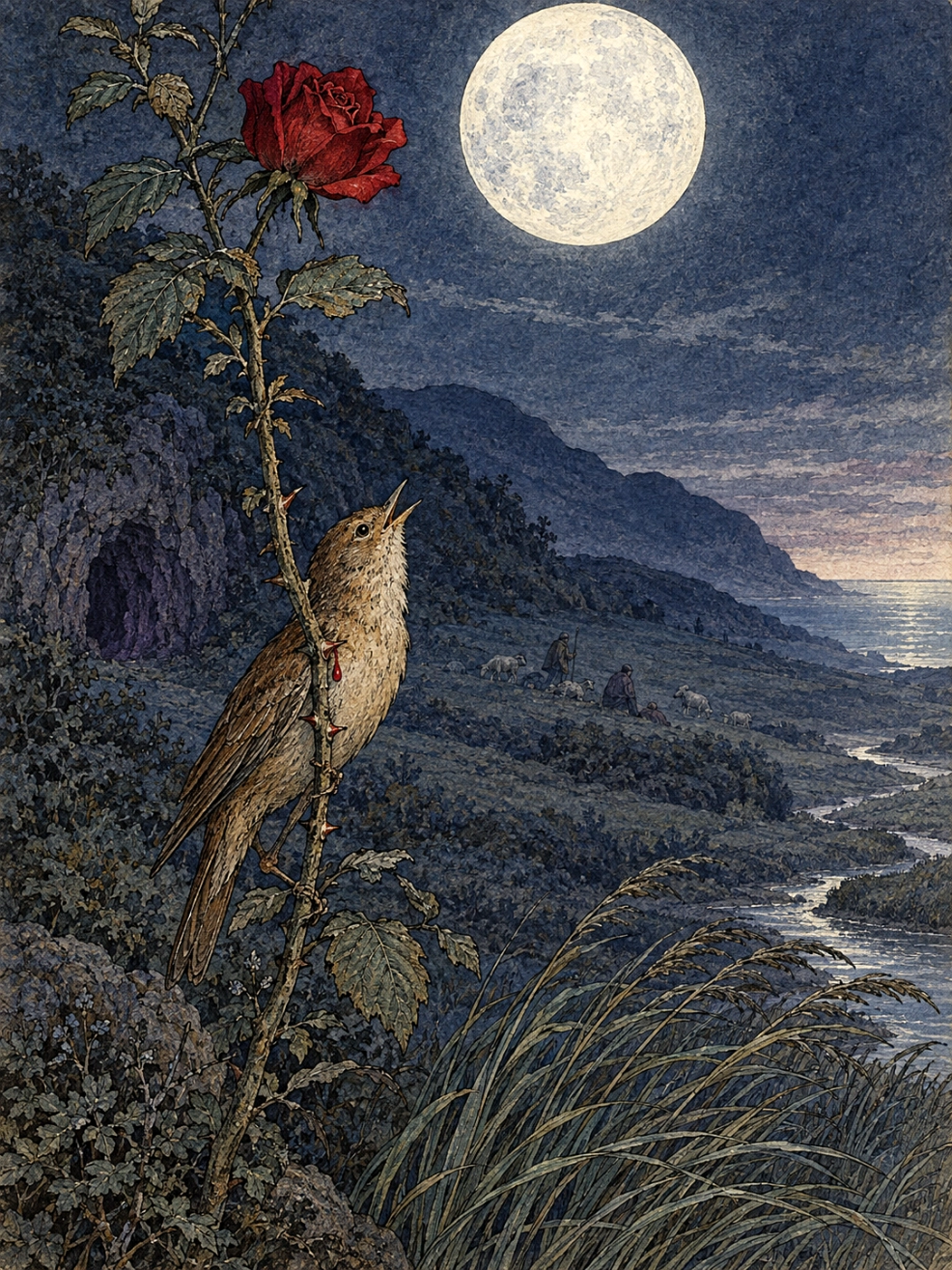
If we are to have a new axial age, it must begin with this humble understanding of commonality and interconnectedness: that suffering, love, bravery and longing are not only human. Humans and other life‑forms are too often prisoners of their own desires and the desires of others. We must find a way to praise life in all its diversity again — to break free of our “mind‑forg’d manacles”.
“… With the farming of a verse Make a vineyard of the curse, Sing of human unsuccess In a rapture of distress;
In the deserts of the heart Let the healing fountain start, In the prison of his days Teach the free man how to praise.”54 (W. H. Auden, “In Memory of W. B. Yeats”)
Continued in Part 3: The Flame
Footnotes (Part 2) #
cover image: adapted by the author from: J. Dietrich, “Nachtigall”, Wikipedia, 2009, CC BY-SA 3.0.
Robert Burns, “To a Mouse” (1785). Image: BlueBreezeWiki, “Wood Mouse”, CC BY‑SA 3.0. ↩︎
BBC, “Denmark to cull up to 17 million mink amid coronavirus fears”, 5 November 2020. ↩︎
On the potential value of viruses as a last life‑form, see What is Entropy? Part 2. ↩︎
I am not currently a vegetarian. ↩︎
E. O. Wilson, “A Biologist’s Manifesto for Preserving Life on Earth”, Sierra, 12 December 2016. ↩︎
William Blake, “The Fly”, Songs of Innocence and of Experience (1794). ↩︎
Many wealthy people are well informed and compassionate; they can read the writing on the wall as well as anyone. ↩︎
Barbara J. King, How Animals Grieve (2013). ↩︎
Dana Ellis Hunnes, “Non‑Human Animals Show Empathy. What Happened To Ours?”, HuffPost (2017). ↩︎
Frans de Waal, “Do Animals Feel Empathy?”, Scientific American, December 2007; Chris Mooney, “6 Amazing Ways Animals Show Compassion”, Mother Jones, 5 April 2013; Kiran Moodley, The Independent, 23 December 2014; Joanne Kennell, The Science Explorer, 26 January 2016. ↩︎
Zoe Cormier, “The truth about animal grief”, BBC Earth (2018). ↩︎
BBC One, Facebook post, 18 November 2019. The Thula Thula story is widely repeated and not independently verified; I keep it for what it says about us as much as about them. ↩︎
Images: pxhere, public domain; BBC, The Secret Life of Elephants (2015), fair use. ↩︎
Anna Jones, “Thai elephant deaths: Do elephants risk their lives to save each other?”, BBC, 13 October 2019. ↩︎
Hannah Osborne, Newsweek, 16 July 2019. ↩︎
“Do animals experience grief?”, New Scientist, YouTube, 20 May 2016. ↩︎
Melissa Hogenboom, “The birds that fear death”, BBC Earth, 1 October 2015. ↩︎
Andy Coghlan, “Monkey seen caring for dying mate then grieving after she dies”, New Scientist, 23 May 2016. ↩︎
Ian Kirk, “Corvus corone”, CC BY 2.0. ↩︎
I recommend you imagine me starting that placid sentence with “Jesus wept and jumping hell…”. ↩︎
Chris Baraniuk, “Crows could be the smartest animal other than primates”, BBC, 12 December 2019. ↩︎
George Orwell, Nineteen Eighty‑Four (1949). ↩︎
Loulla‑Mae Eleftheriou‑Smith, The Independent, 10 May 2017. The infant had not died and regained consciousness minutes later, but the mother did not know that. Image © Avinash Lodhi, 2017. ↩︎
Had humans been parachuted onto Earth 6,000 years ago, a different starting assumption might be reasonable — but even then we would have to test it empirically. ↩︎
Sarah Lynch, “J. Marion Sims and the Enslaved Women He Experimented On”, History.com. ↩︎
Ibid. ↩︎
The relationship is, of course, not always benign on our side. ↩︎
William Blake, “Auguries of Innocence” (c. 1803). ↩︎
the kelev/lev etymology is a well‑known rabbinic wordplay. Jonathan Wittenberg, “Why ‘kelev’ is a great word for dog: Jonathan Wittenberg on his book What My Dog has Taught Me”, Wunderdog Magazine, 2018. ↩︎
Image: Togo with Leonhard Seppala, public domain. ↩︎
Wikipedia, “Togo (dog)”. ↩︎
Center for Whale Research, “J35 and her calf”, August 2018, and reporting on her second vigil, January 2025. ↩︎
Image: Center for Whale Research, fair use. ↩︎
Natalie Wallington, “Tahlequah the orca – famous for carrying her dead calf for 17 days – gives birth again”, The Guardian, 7 September 2020 CE. ↩︎
As nature abhors a vacuum: a little clearing space flowers joyfully under a caring watchful eye. ↩︎
Tom Allan, “Chernobyl: the wildlife haven created when people left”, The Guardian, 28 May 2019. ↩︎
Maxine Herman‑Oakley, “Chernobyl after people”, Cell Mentor, 10 November 2015. ↩︎
“Chernobyl radiation map”, Wikipedia, CC BY‑SA 2.5. ↩︎
GrrlScientist, “What happened to wildlife when Chernobyl drove humans out? It thrived”, The Guardian, 5 October 2015. ↩︎
Chernobyl webcams, tree.ceh.ac.uk; T. G. Deryabina et al., “Long‑term census data reveal abundant wildlife populations at Chernobyl”, Current Biology 25(19) (2015). ↩︎
Image: Andy Schwetz, “CONTAMINATED #8”, 2021, used with permission. ↩︎
Milan Kundera, The Unbearable Lightness of Being (1984). ↩︎
“Holocaust” is Greek for “sacrifice by fire” (US Holocaust Memorial Museum). The term is commonly applied to the murder of six million Jews, and more broadly to some seventeen million people, including Roma, Slavs, people with disabilities, gay men and political and religious opponents. ↩︎
Imagine having lived during legal slavery and being asked the same question by later generations. ↩︎
Mauricio Antón, “Ice age fauna of northern Spain”, CC BY 2.5. ↩︎
Charles R. Knight, “Mastodon” (1897) and “Mammoths” (1916), public domain; the mammoth survived on Wrangel Island until the first pyramids were built. ↩︎
Smilodon fatalis and Cuvieronius, Wikipedia, CC BY 3.0 / CC BY‑SA 4.0. ↩︎
Hawaiʻi chaff flower. ↩︎
Deepwater cisco. ↩︎
Wikipedia, “List of recently extinct species”. ↩︎
IUCN / Turtle Conservation Coalition. ↩︎
Alice Walker, foreword to Marjorie Spiegel, The Dreaded Comparison (1988). ↩︎
Oscar Wilde, “The Nightingale and the Rose”, The Happy Prince and Other Tales (1888). ↩︎
W. H. Auden, “In Memory of W. B. Yeats” (1939). ↩︎