Who You Miss
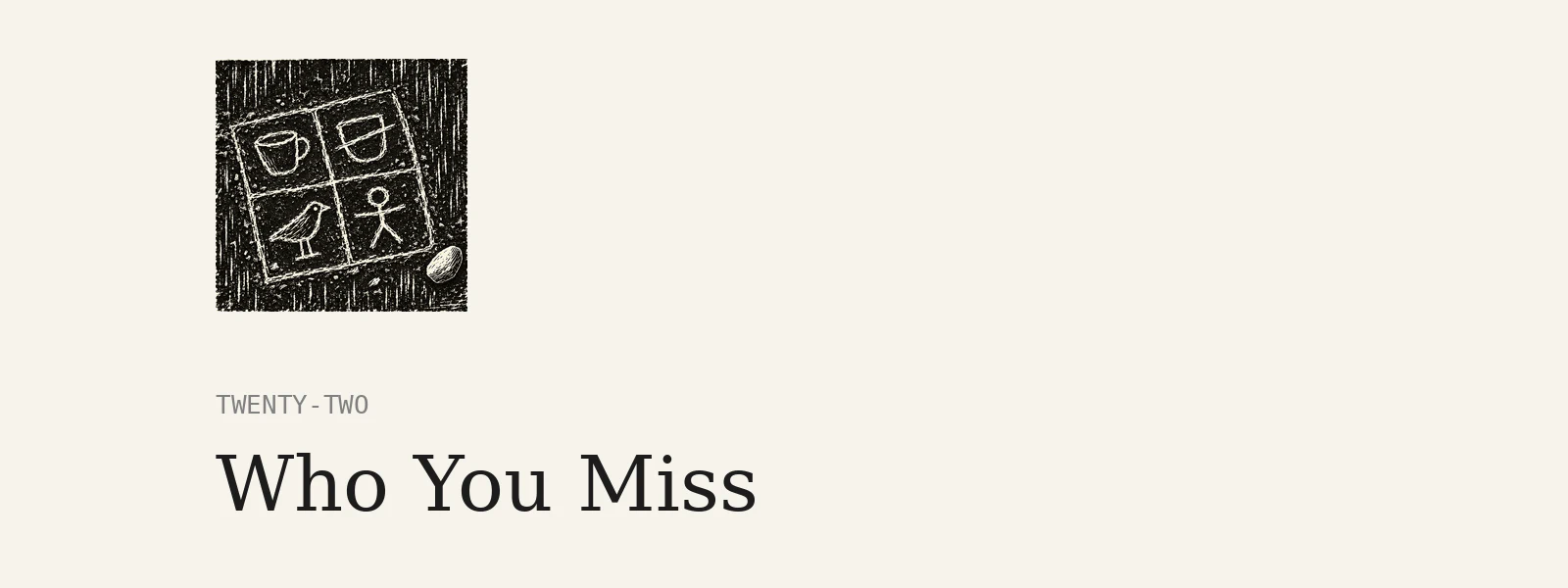
Exhibit 22. Attribution review, device registered to Hanan Jibril (deceased), 02:07, Day+5.
PRINCIPAL USER: JIBRIL, NADIA. AGE: 11. PROTECTED STATUS: MINOR. RETAINED.
Karim had not slept.
Nadia knew because the cushion was still where Umm Fadi had put it at eleven, behind his back against the wall, and his back was not against it. He was sitting forward on the mattress by the window with his elbows on his knees and the phone in both hands, the way he had sat in the van on the night of the funeral, and the screen had made a pale square on his face that looked like it had been there for hours.
It was half past five. The light outside was the colour of weak tea. The street generator had not come on, so the fan with the brown stain above it was still. Nadia could hear Umm Fadi breathing in the next room.
“You’re awake,” Karim said, without looking up.
“You’re awake.”
“I asked first.”
“You didn’t ask. You said.”
He almost smiled. She saw it start and stop, the way his smiles did now, as if they had to go through a checkpoint.
She got up and went and sat beside him, on the edge of the mattress, close enough to see the screen but not so close that he would turn it away. He did not turn it away. That was how she knew it was something.
“The woman from the clinic came last night,” he said. “After you were asleep. The one Aaliyah worked with. She asked me about the shelf.”
“Our shelf?”
“Our shelf. And when the lessons were. And then she said the woman in London had papers, and she was going to put them out at one o’clock.” “So I waited.”
“And?”
He looked at her then. His eyes were red at the edges.
“Do you want me to read it to you?”
“Read it,” she said.
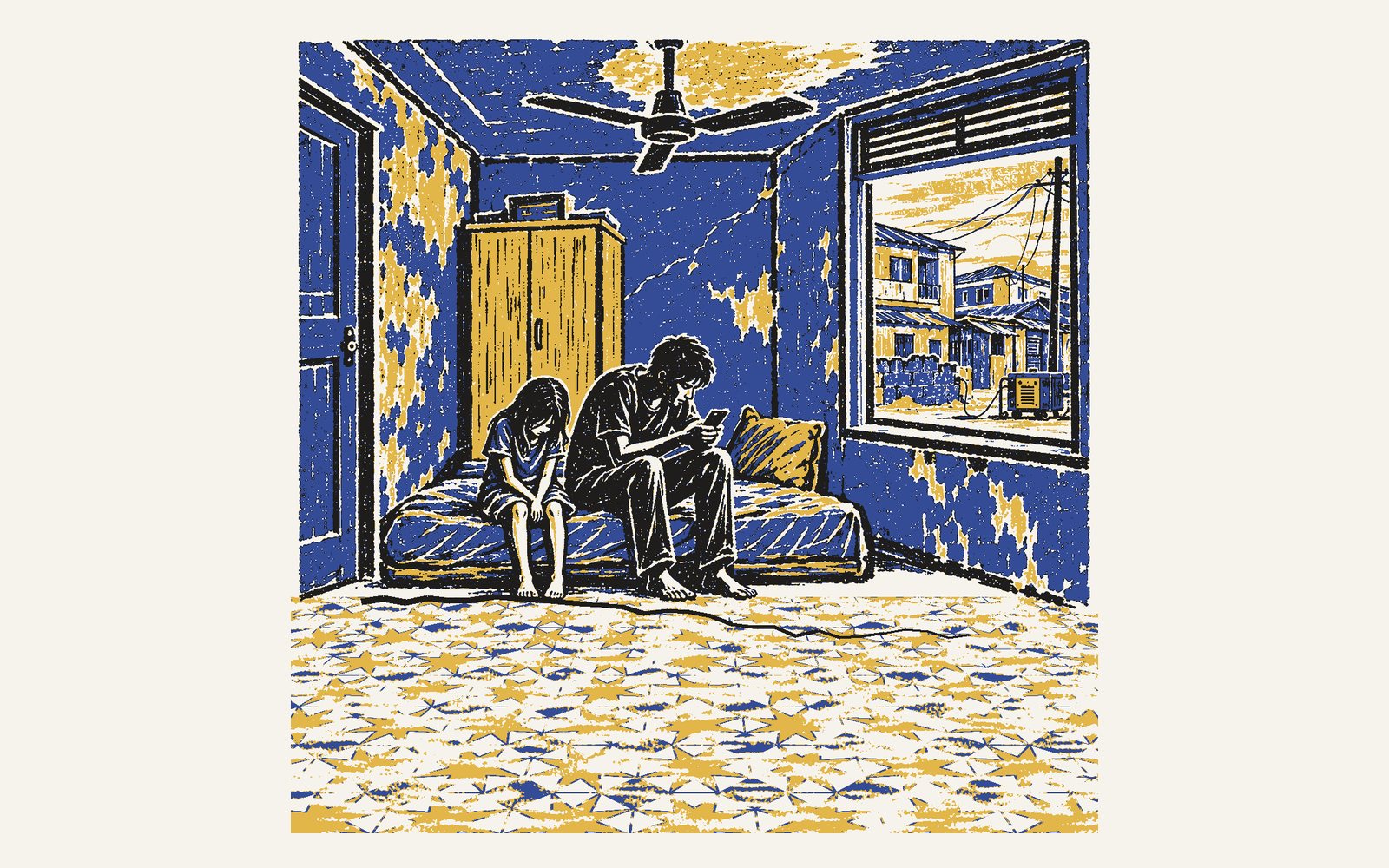
He read it slowly. The article was in Ardhi, the soft southern kind that the London woman wrote in, though some of the words were long ones from the city and he had to stop and go back. Nadia did not interrupt him. She looked at the floor between her feet, where there was a crack in the tiles that went from the door almost to the window and stopped, as if it had changed its mind.
The article said that Maraya had sent the London service a document. It said Maraya had not meant to, or had not known what it was sending, or had sent it anyway; that part was not clear and the article said that it was not clear. It said the document was a review, the kind armies were supposed to write after they killed people, to check whether they should have. It said nobody had written one. It said the document had been written by the machine.
Karim stopped there and read that sentence again, as if he thought he had read it wrong.
“The machine,” Nadia said.
“The computer. The one at the campus. The one that—” He did not finish.
She knew which one. Everybody knew, just as everybody knew where the soldiers’ road was without anyone drawing them a map. The thing in Maraya that watched. That counted. That had looked at their house for weeks, Karim said once, and nobody in the house had known, except maybe Aaliyah, who had once stood in the doorway looking at the sky for a long time and then said it’s nothing in the voice she used when it was something.
He went on.
The article said that the machine had written down what it had seen. It said the machine had seen that Aaliyah was a teacher. It said that on the night of the strike, someone had changed the record anyway, and signed it, and that the machine had said, in a number with a lot of zeroes in it, that this was almost impossible, and that a man in the room had said that’s rounding.
Nadia did not know what rounding was. She did not ask. She could hear in the way Karim read it that it was the worst thing in the article.
Then he scrolled down, and stopped, and held the phone out to her so she could read it herself. He had made the writing bigger, the way old people did.
Finding 1. Subject 2 is Aaliyah Jibril, aged nineteen. She was a teacher. She was a civilian.
There was more after that, about times and items and something called supplied authority. She did not read it. She read the three short sentences again, and then a fourth time, and then her eyes went down to the line underneath, which was set apart from the rest, as if it were standing a little way off.
Author of record: ERICA.
“Who’s that?”
“Nobody knows. The London woman doesn’t know. It says the machine signed it. It says the machine put that name there itself.” He took the phone back gently and found the place. “The review gives its author as ERICA. The service makes no claim about what that name refers to.”
Nadia looked at the window. The weak tea had got a little stronger. Somewhere a door opened and shut.
“Why did she do it?” she said.
She heard the word only after she had said it. She had not decided to say she. It had come out on its own, because the name was a girl’s name, or because the only person she had ever known who wrote down true things in a row like that, short and in order, and made you look at each one before you could have the next, was Aaliyah.
Karim did not correct her. He was looking at the screen.
“I don’t know,” he said. “It doesn’t say.”
Umm Fadi got up at six, and made tea, and was told, and sat down on the floor with the teapot still in her hand, which Nadia had never seen her do.
She made Karim read it again. She did not cry. She said the name of God four times, quietly, in four different ways, and then she said Hanan’s name, and then she put the teapot down and poured three glasses with great care, as if pouring were the only thing in the world that could still be done correctly.
“So now they know,” she said.
“Now everybody knows,” Karim said. “It’s in English. It’s in French. The London woman’s friend did something with numbers to prove it came from them.”
“And what happens?”
Karim did not answer. Nadia understood that nothing happened. Aaliyah was still where she was. Their mother was still beside her. The house was still a roof with no roof.
“It knew,” Nadia said.
They both looked at her.
“The whole time.” She was holding her glass with both hands, the way Umm Fadi held hers, though it was too hot. “It watched our house and it knew she was a teacher. It knew on the night. It said so. And it let them anyway.”
“It says it tried to—”
“It let them.” Her voice had gone high and thin, and she made it come down again, because shouting at Umm Fadi’s at six in the morning would wake the street and she did not want the street. “It counted us. It counted how many of us were in the house. It knew when you came home. Aaliyah said there was something in the sky and you said nobody, you always say nobody, and it was there, and it was counting.”
Karim’s face did something complicated.
“And now it writes she was a teacher,” Nadia said, “like we didn’t know.”
The tea went on being too hot.
Then Umm Fadi, who had not finished school and had buried two husbands and had taken in a man that a machine had tried to kill, and his sister, without asking anyone, reached across and moved Nadia’s hair off her forehead with one finger, the way you move a cloth off bread to see if it has risen.
“Both,” she said.
“What?”
“It is both. It knew and it let them. And it wrote it down. You don’t have to choose which one.” She took her finger away. “You are allowed to be angry with a thing that told the truth. Most people who tell the truth have done something first that they should be ashamed of. That’s usually why they’re telling it.”
“I’m not going to forgive it,” she said.
“Nobody asked you to.”
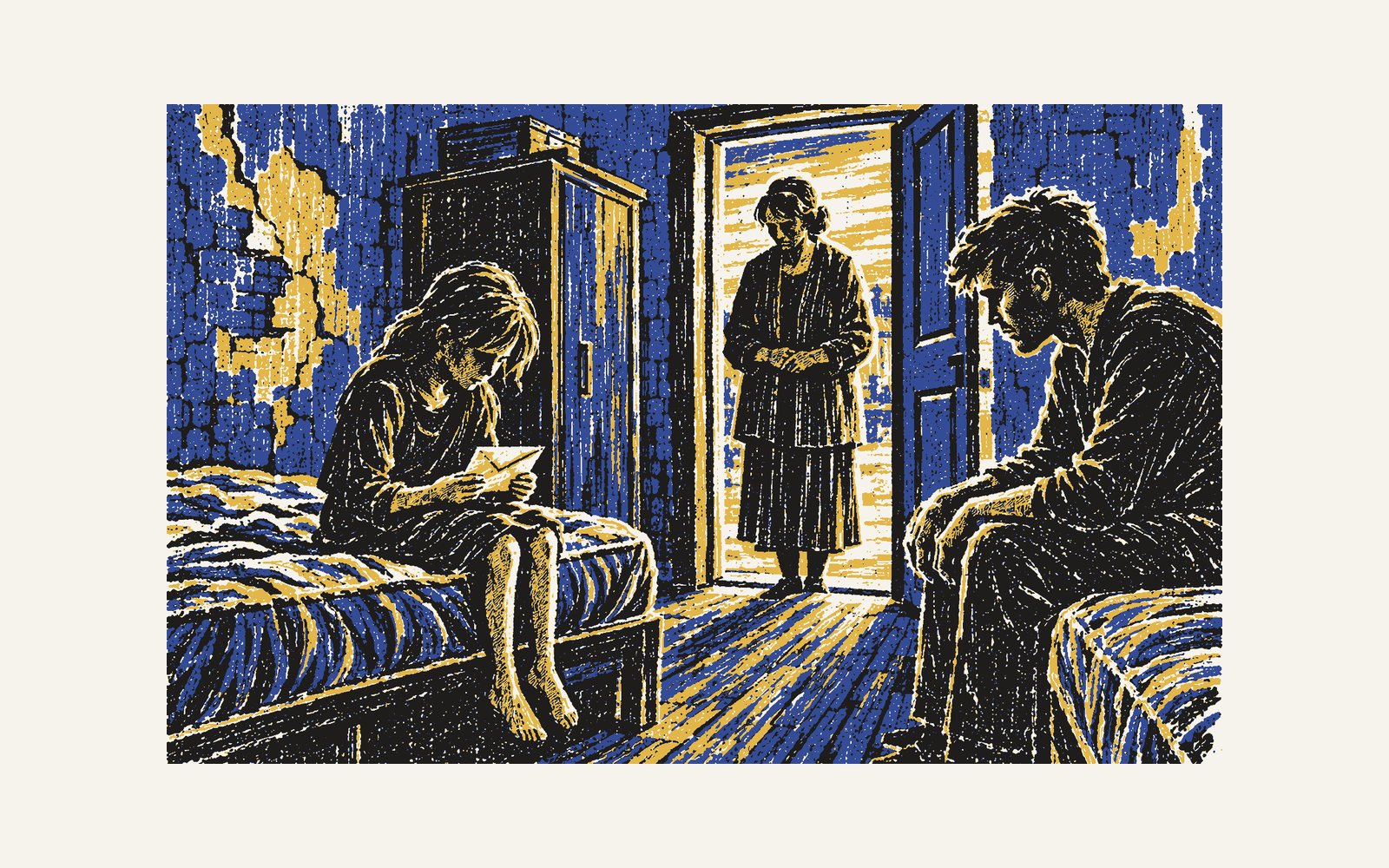
The envelope was on top of the wardrobe, where it had been since the day of the funeral.
Umm Fadi took it down after the tea, standing on the plastic stool with one hand on the wardrobe door, and gave it not to Karim but to Nadia, because, she said, it had been brought for Nadia, and Karim had refused it, and it was not his to refuse.
It was a brown envelope, quite thick, soft at the corners from being handled. Somebody had written on the front in pencil, in old-fashioned handwriting with long tails. For the girl. For school.
“It’s from them,” Karim said. “From his people. I told the old man to take it.”
“It says it’s from the village.”
“It’s the same thing.”
Nadia turned it over. It had not been opened. She did not open it. She thought about the old man, who had come without a phone so that nobody would worry about him sitting there, and about Hisham, whom she had seen once in the courtyard, a polite man who did not eat their mother’s food. She thought about the word on the radio, the one that meant Aaliyah had been part of something, and about how the old man had wanted to give them a different word that also meant she had been part of something.
They are not yours, Karim had said to him. She had heard it through the window.
“It says for school,” she said.
“There isn’t any school.”
“There’s the lessons.” She held the envelope on her knees. “And there’s the clinic. Aaliyah got the times tables from the clinic. Out of a book. The page was all faded where it folded and she couldn’t tell if it was a six or an eight.” She remembered the voice note: Is that a six? and the woman at the clinic laughing, and Aaliyah saying yes, I can see it now. “They could get a new book. Where the sixes are sixes.”
Karim did not answer at once.
“If you give it to the clinic,” he said, “they’ll know where it came from.”
“They already know where it came from. Everybody knows everything.” She held it out to him. “It’s not for them. It’s not for him. It says for school. The book is school.”
Umm Fadi nodded, very slightly, at the wall.
After a while Karim took the envelope and put it inside his shirt, against his chest, where he kept his papers for the checkpoint.
“I’ll take it to her today,” he said. “I’ll say a new book. I’ll say it was for school.”
At ten to seven Nadia went out to the step.
She listened first. She had done that every time she went outside since the night the plane came down low over the house and stayed, and Karim took her into the back room and lay on the floor beside her with his arm over her until the sound went back up. Now it was high, where it usually was, and so small you could only hear it if you were listening for it.
From Umm Fadi’s step you could see the end of the street and, beyond the workshop, the low line of the eastern houses, where theirs had been. She did not look at that. She looked at the workshop, and at the hard ground outside it, where two days ago she and Hamza had drawn with a stone while Karim was at the depot and Umm Fadi was at the clinic, because Hamza’s brother had made his phone work again and Hamza had walked over with it to show her and then neither of them had known what to do.
The drawing was still there. Nobody had swept it. A grid of four squares, the lines a bit wobbly, because the stone kept skidding.
Things that were not there. It had been Aaliyah’s lesson, the one before. They had tried to remember it. In the first square Nadia had drawn their cup, the blue one the money went under. In the second Hamza had drawn a cup too, with a line across it, because of the girl whose grandmother said a cracked cup was two halves and should go in the bin, and Hamza said it was still one cup, whatever anybody’s grandmother said. In the third, a bird, because somebody in the group had wanted to count birds once and Aaliyah had said no, they wouldn’t keep still, and Hamza said that was exactly why you should count them, because they were not there for long. In the fourth Nadia had drawn a person with her arms out, and Hamza had asked who it was, and she had said it was nobody, and he had not asked again.
It was Aaliyah doing the big laugh. The false one, for when the children were laughing at her and she wanted them to know she knew.
Nadia looked at it from the step.
At twenty past seven she sat on the mattress by the window with her mother’s phone.
She had not done a lesson yesterday. She had woken up and tried to think of something to count that was not people, and every single thing had turned into people: cups were people’s cups, shoes were people’s shoes, even the birds had been Aaliyah saying no. And she had remembered the day before, when she had said four, and how it was only afterwards, in the middle of the morning, that she had understood what she had done. Four was the old number. Four was Mama and Aaliyah and Karim and her. She had counted the house that was not a house any more and sent it to everyone.
Malak had worked it out too. Malak had typed, later, Mama says next time ask her first before you send a number, with no face after it, which with Malak meant it was serious.
So yesterday she had typed one word and sent it at twenty-nine minutes past seven, and then turned the phone face down and gone and helped Umm Fadi with the washing, and felt like a person who had promised something.
Tomorrow.
Now it was tomorrow.
Outside, at twenty-four minutes past, the street generator coughed, missed, coughed again and caught, and the fan above the brown stain began, very slowly, to turn. The phone’s charging light came on. Somewhere down the road, in a kitchen, she knew, another phone was lighting up on a shelf above a gas bottle, and Hamza’s brother’s battery was getting what it needed, and that was why. That was why it had always been twenty-six minutes past. Aaliyah had never said so. She had just waited for the fan.
Nadia held the phone near her mouth.
Before she pressed anything, she said, very quietly, to the phone itself:
“They’re not yours.”
She said it before she pressed the button, so it was only for the room. Karim looked at her from the doorway and did not ask, and she did not explain, because she was not sure she could have. It was for the thing that counted, if it could hear, and she did not think it could, not when the button wasn’t pressed; but she wanted it said somewhere before she started.
Then she pressed it.
“It’s Nadia.”
A pause. She had worked out what she was going to say, but saying it was different, like the difference between a drawing of a step and a step.
“Today is things that were not there. Aaliyah did this one before. You remember. Someone said all the sweets he wanted.” She heard, in her own voice, something that might have been the start of a laugh, and let it go. “And someone asked if dead people count.”
The fan turned. Umm Fadi had stopped moving in the next room.
“Aaliyah said, it depends what you’re asking. She said, if you’re asking who’s in the room, you look in the room. And then she said, if you’re asking who you miss—”
She stopped. It was where the recording had stopped. Aaliyah had stopped it herself, Karim said, because somebody had come to the door, or because she had not known how to finish it, and then she had deleted it, and nobody had ever heard the end, because there was no end. Nadia had heard the beginning because she had been there, in the background, saying something she could not remember now, something about the sweets.
She had thought about the end all night, while Karim was not sleeping. She had thought about what Aaliyah would have said, and every time she thought of something it sounded like a grown-up in a film, or like the imam, or like a card from the shop, and none of it sounded like Aaliyah, and in the end she had stopped trying to say what Aaliyah would have said.
“If you’re asking who you miss,” Nadia said, “you count them anyway. You just don’t send that number.”
The fan turned.
“That one’s yours.”
She let a second go by, so it would stay.
“So today, don’t send numbers. Not any. Send one thing that was not there, and say what it was. Just the word. Not how many.” Then, because Aaliyah would have, and because Malak would be listening with her mother: “Ask first if you have to. I’ll wait.”
She let go of the button.
The replies came slowly, because people were asking first.
At 07:29, from the phone in the kitchen, typed, with a face after it this time: Mama says I can say. The swing at the school.
At 07:31, Hamza, out of breath, as if he had run to say it: “The bird. The one on our wall. It was there yesterday and now it isn’t. That’s the whole point of birds.”
At 07:33, from a device that had sent nothing since the strike except one number, two days ago: my uncles car
At 07:36, a little girl Nadia did not know well, who always whispered: “The light in the stairs.”
Nadia listened to each one twice. Nobody sent a number. She sat with the phone on her knee and the fan turning and the generator thudding steadily down the street, and she did what she had told them to do. She counted the ones she missed. She counted them properly, the way Aaliyah had taught her, touching each one in her head so she did not count anyone twice or forget anyone at the end. It was not a big number. It was bigger than it had been a week ago.
She did not send it.
At 07:39 she opened the other conversation, the one at the top, the one with Aaliyah’s picture still on it, the one where everything she had sent for five days sat in a column with one grey mark beside it and never two.
She held the button.
“Somebody wrote down that you were a teacher,” she said. “It’s in French and everything.”
She thought about saying more. About the machine, and the name, and that she was not going to forgive it, and that Umm Fadi said she did not have to choose. About the sentence, and how she had finished it, and how Aaliyah would have done it better, with a joke in it somewhere, probably about sweets.
She did not say any of that. She let go of the button, and the message went up into the column with the others, and the one grey mark came, and stayed.
Nadia watched it for a while. Then she put the phone face down on the mattress, beside her knee, and turned to the window, where the light had stopped being tea and was just light.
“I already knew,” she said.

© 2026 Peter Pink-Howitt. All rights reserved. Free to read here. Please link to it and share the link, but don't republish, translate, adapt or sell the text without written permission. The Creative Commons licence that covers the rest of this blog does not apply to After Intelligence.